
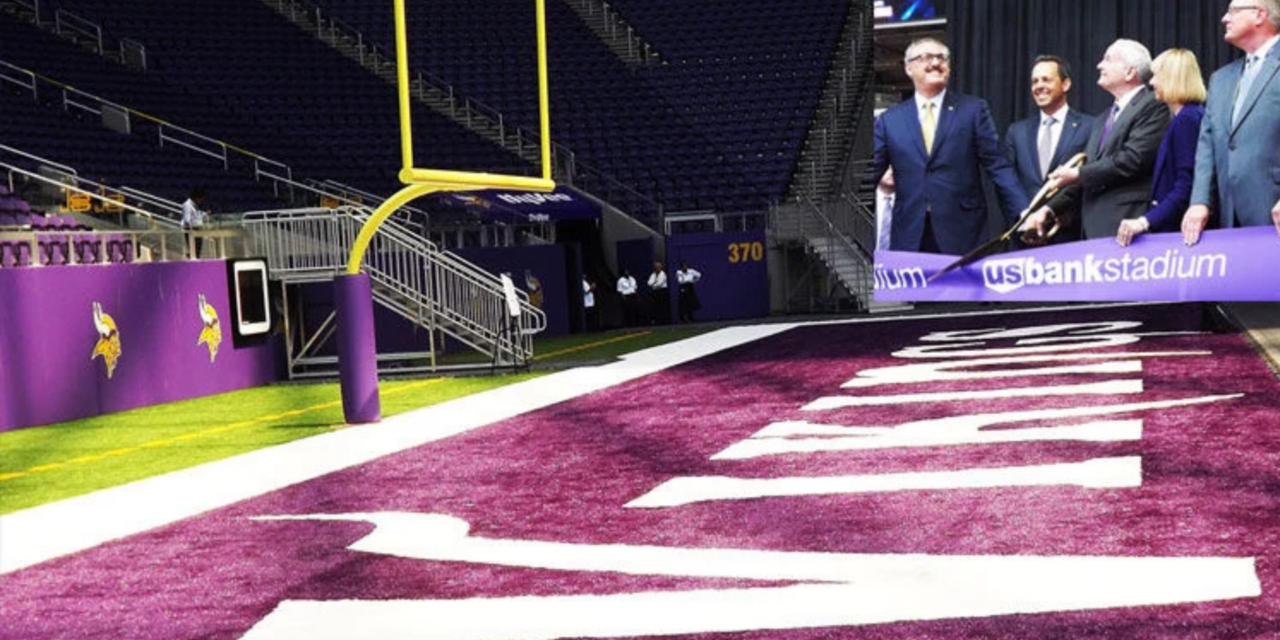
A marvel in design and construction, U.S. Bank Stadium is also being touted as a model for diversity in its workforce and contracting.
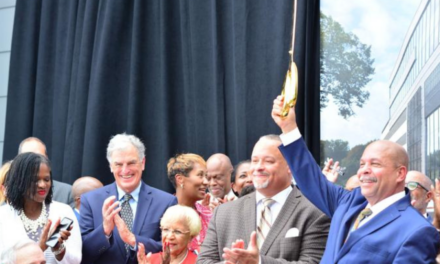
Soon to be home of the Minnesota Vikings, the 2018 Super Bowl, the 2017 and 2018 X Games, the 2019 NCAA Men’s Final Four and more, the stadium that sits on the site of the former Metrodome was built at a cost of $1.1 billion. Many of those dollars ended up in the pockets of people of color, women and veterans. So while many of the “VIPs” selected to attend the stadium’s ribbon cutting and open house July 22 ogled over their NFL team’s new home, much of the talk from those involved with the project focused on the labor force that built the state-of-the-art dome that has radically changed the Minneapolis landscape and skyline.
“This stadium is where opportunity meets reality,” said Michele Kelm-Helgen, chair of the Minnesota Sports Facility Authority (MSFA) – the group responsible for the oversight of the new stadium. “We far exceeded our business and workforce goals. I believe we set a new standard for business in the state. This is a premiere example of what a public/private partnership can be.”
Receiving state funds, the stadium that is double the size of the old Metrodome was mandated to have 32 percent minority workforce participation and six percent women participation. According to MSFA numbers, the project topped out with a 37 percent minority workforce and women at 10 percent. Of the 37 percent minority participation, 10 percent was African-American labor. According to Kelm-Helgen, 90 percent of the workers permanently reside within the state. That number is key because past major construction projects were accused of shipping in white non-residents, taking away potential jobs from area labors – many who are people of color.
“This project put thousands of people to work and thanks to the Minnesota Sports Facility Authority board and Mortenson Construction it put a lot of people of color to work,” said Gov. Mark Dayton. Mortenson was the lead builder on the project and it worked closely with Thor Construction – a black-owned firm – and others to complete the stadium buildout.
“The fact that minority-, women- and veteran-owned businesses participated to the tune of $240 million paid out on this stadium and we had 37 percent people of color, has been unheard of in this state,” said David Mortenson, chairman of Mortenson Construction. “This was not just about bringing jobs, it’s about starting careers.”
To that point, Ravi Norman, CEO of Thor, said this level of participation can’t end with the completion of U.S. Bank Stadium.
“What’s happening next is what’s really important,” said Norman. “What happened with the stadium was greatly important, but it’s a short-term stimulus. The push has to be for additional opportunities. We’re not going to have mega stadiums coming along all the time. If we don’t fill the demand for long-term opportunities the people will become disillusioned. On the other side of hope is resentment.”