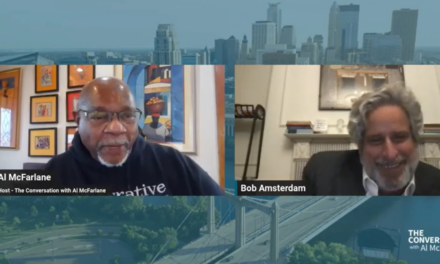
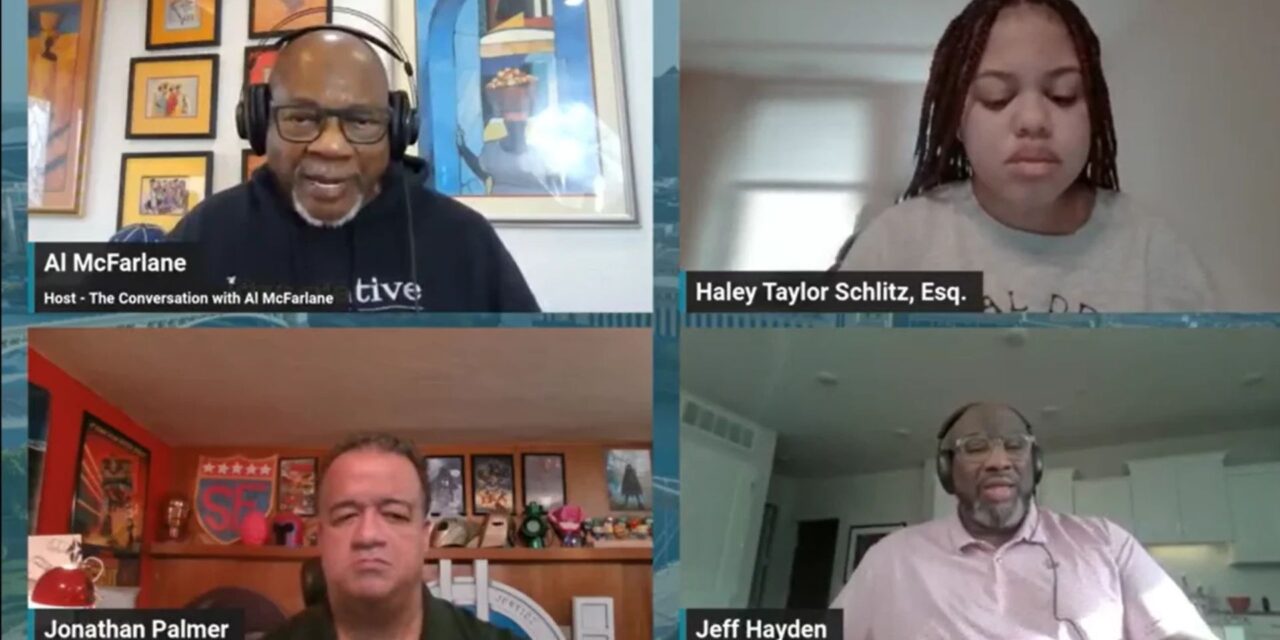
Following a surprising election outcome, The Conversation with Al McFarlane captured the sentiments of Minnesota’s community, bringing in voices who grappled with disappointment yet called for resilience and unity. Host Al McFarlane opened with the day’s pressing question, stating, “I think that towards 3:00 today, we can expect a press statement from Vice President Harris conceding the election…we want to talk about that.” Inviting Minnesotans to weigh in, McFarlane encouraged the community to voice their thoughts on what the path forward should look like. “We want to know how you feel, what you think we are going to be doing going forward as a community,” he urged.
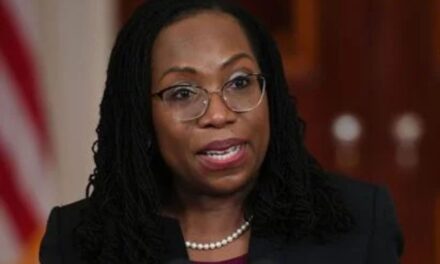
One of the most poignant voices of the discussion was Haley Taylor Schlitz, a young assistant attorney general for the state of Minnesota, who spoke for her generation—particularly Black Gen Z women who felt the weight of both racism and sexism in the election results. “This election reminded us how far we still have to go,” she said. Reflecting on her Nigerian and European heritage, she emphasized, “I’m 50% Nigerian, and this election is a reminder of what my ancestors knew all too well: that progress is fragile. We still wake up to the reality our ancestors faced.”
For Schlitz, the results echoed a long history of struggle for Black Americans, especially Black women who continue to show up for progressive change. She observed, “This was supposed to be a turning point, a new chapter in HERstory. We thought America was ready, but this result…this is the reality check that our ancestors experienced. It’s painful, but we’re not done fighting.” Her words conveyed both a deep frustration and an unyielding drive to press forward, grounded in the legacy of generations before her.
Adding to the conversation, former state senator Jeff Hayden, who had been watching the election unfold live from the Care 11 Studios, offered insights into the factors that swayed the outcome. “The message that resonated was the economy, plain and simple,” Hayden said. “It wasn’t about who caused it or why; it was the here and now. What people are paying for gas, what they’re paying for food.” He noted how the campaign strategically framed these issues, often overlooking systemic factors but still resonating with voters’ immediate concerns. “Immigration and public safety, those became central issues,” he said, explaining how Trump’s messaging tapped into worries that, for many, felt urgent and pressing.
This conversation didn’t stop at the surface issues but delved into how political parties communicate, or fail to communicate, with communities of color. Hayden emphasized that outreach needs to be more than a last-minute scramble. “If the only time we’re talking to people is a month before an election, we’re taking that vote for granted,” he stated, pressing on the need for consistent connection. The Democratic Party, he warned, must deepen its engagement if it wants to retain loyalty among voters of color.
Nonprofit leader Jonathan Palmer, another guest on the show, expanded on Hayden’s points, emphasizing that systemic barriers play a pivotal role in shaping these outcomes. “We have systems that were built to keep Black and brown people, women, and immigrants on the margins,” Palmer explained. “Until we start deconstructing those foundations, we’ll keep seeing the same results—systems penalizing people for being poor rather than providing real solutions.” Palmer’s words drew attention to the structures beneath policies, hinting at the historical roots of many contemporary challenges.
McFarlane then invited Schlitz to provide insight into how Gen Z views this shifting political landscape. Schlitz painted a picture of a generation both disillusioned and emboldened, describing Gen Z as driven to defend freedoms that prior generations have fought to secure. “We’ve grown up watching, we know what’s at stake,” she stated passionately. “This election, especially for Black women, was a blatant act of sexism and racism. But we’re not going anywhere. We’re in this fight for our liberty and our rights.” Schlitz’s perspective underscored a broader generational shift toward more active social justice advocacy, particularly among young women and marginalized communities.
In a powerful closing moment, Hayden reflected on the importance of engaging even with those who might not agree, recognizing that all voices, even opposing ones, are essential in understanding broader community concerns. “We have to listen,” he said, emphasizing the necessity of open dialogue. “If we cancel people out because they don’t align with us, we’ll end up with these silent blocks that only emerge at the polls.” His words underscored a need for an inclusive conversation, resonating with The Conversation’s mission of fostering dialogue across diverse perspectives.
The discussion, which saw McFarlane, Hayden, Palmer, and Schlitz exploring complex layers of identity, policy, and community connection, echoed a common message: Minnesota’s path forward lies in conversation, unity, and an enduring commitment to change. Through platforms like The Conversation with Al McFarlane, these dialogues offer a chance to understand, to listen, and, as McFarlane aptly put it, to “stay present.”