With last month’s killing of Philando Castile and last November’s killing of Jamar Clark – both at the hands of law enforcement – Minnesota has become somewhat of a flashpoint for the nation’s conversation of ethnicity and policing.
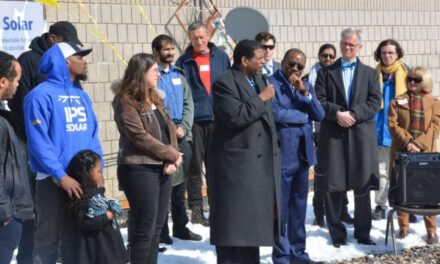
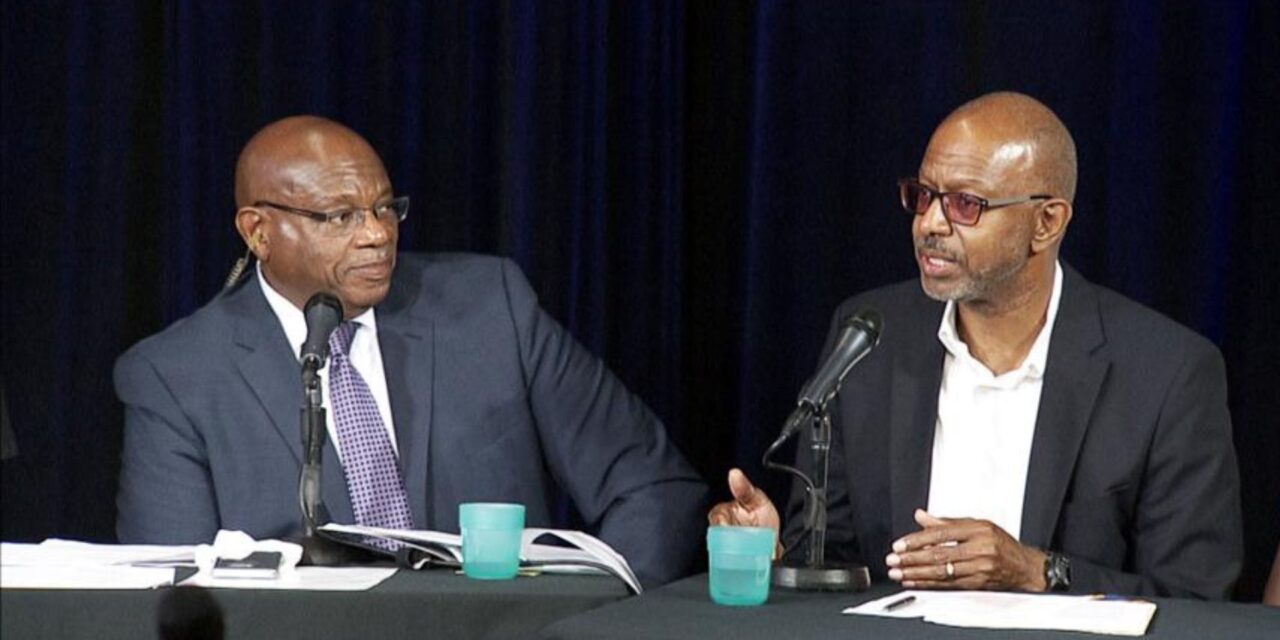
With the spotlight on the area, many are hoping these tragic killings and their aftermaths can lead to meaningful change. Hope for change brought together a group of panelists at a recent town hall, “Beyond the Rhetoric,” which was co-produced by Insight News and the St. Paul Neighborhood Network (SPNN). Co-hosted by Insight founder and editor-in-chief, Al McFarlane and Soul Tools Radio’s Brittany Lynch, the forum provided varying perspectives on over-policing that has led to many deadly encounters when it comes to communities of color, in particular, the African-American community. A common theme among the panelists was one of humanity.
“This process of dehumanization has been going on since slavery and continues today,” said Dr. BraVada Garrett-Akinsanya, a psychologist who specializes in healing African-American trauma. Akinsanya said the devaluing of Black lives begins long before someone enters the police force. “In society angel food cake is white; devil’s food cake is dark. Magic is good unless it’s black magic. Mail is OK unless it’s blackmail. Even a lie becomes OK if it’s a white lie. That’s implicit bias. These biases are learned almost from the moment we are born.”
Akinsanya said this cycle of implicit bias plays a role in police encounters with African-Americans. Andre Koen said the humanity of African-Americans must be recognized.
“There is nothing in society that can decrease my humanity unless I am tricked into laying it down,” said Koen, lecturer and former diversity coordinator for Anoka County. “There are 48 chromosomes in the human body. Racism does not decrease those 48 chromosomes. Systems of oppression have been designed to trick us out of our birthright of humanity.”
Bill Woodson, a former assistant dean at St. Thomas University, said the systems of oppression serve a function for those seeking to maintain white supremacy. But he also said recognizing the humanity of Black lives does not mean it devalues the lives of others.
“We have this false binary that you support police and think Black Lives Matter is illegitimate or you support reducing of police violence and you’re anti police and that’s a false binary,” said Woodson, who said African-Americans and police should have a shared interest in keeping everyone safe.
“It’s not about hatred of anyone, it’s about the love of Black people,” echoed Andrea Jenkins, a poet and LGBT activist. Jenkins said as much as recent protest are about justice for Castile and others, they are equally about providing a common place for people to heal.
Asha Long, an organizer with Black Lives Matter, said it is clear police have little regard for Black lives.
“The criminal justice system is saying exactly how it feels about Black and Brown bodies (with continued killings),” said Long.
Kathleen Cole, a member of Showing Up for Racial Justice – a white ally organization to Black Lives Matter, said more and more whites are becoming aware about the conditions of Blacks in America, but some as still resistant to the message.
“I can’t tell you how many white people have said to me, ‘I don’t understand why they’re shutting down freeways. What do they think they’re trying to accomplish,” said Cole.
The forum, which was simulcast on radio stations KMOJ, KFAI and others, is available for view in its entirety at www.insightnews.com.