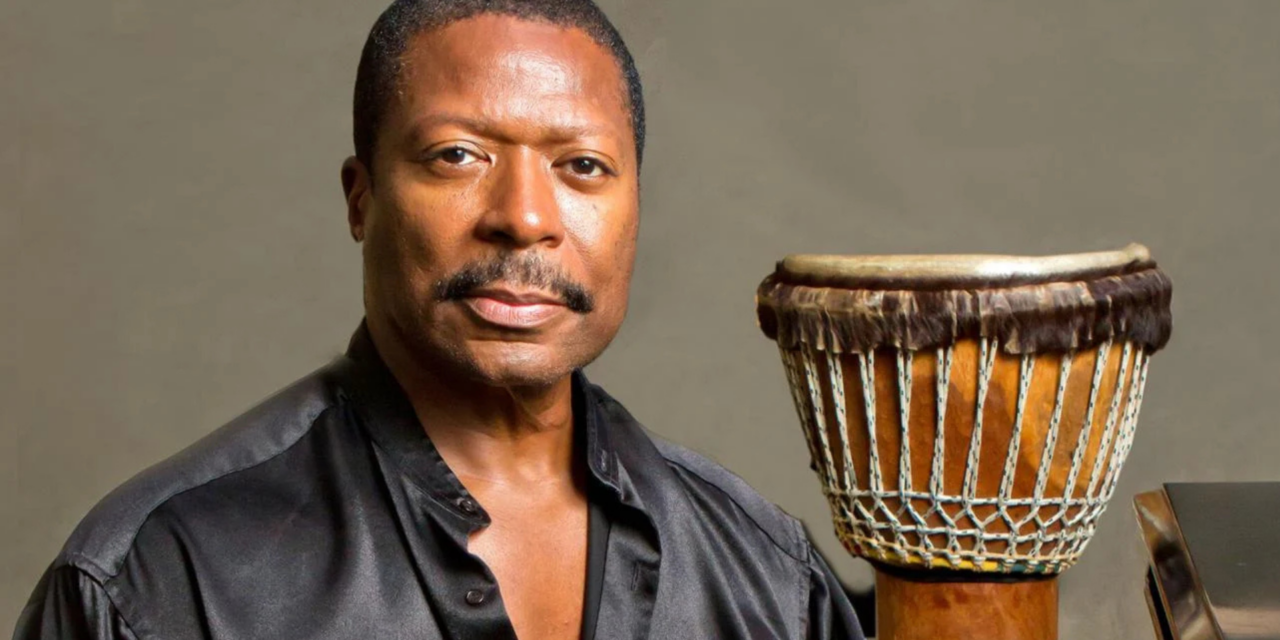
A new musical offering by the Grammy Award-winning Sounds of Blackness, a group long known for their soul-stirring fusion of gospel, R&B, hip-hop, and pan-African rhythms, declares that We’re Unstoppable.
The new single premiered last month, embodies the spirit of cultural resistance, intergenerational legacy, and Black creative power. “It’s a musical statement of cultural and spiritual resistance,” said Gary D. Hines, longtime music director of Sounds of Blackness. “Resistance to the rising tide of DEI rollbacks, cultural erasure, and all the other mess that’s going on in our country and world.”
The track features vocals by Jamecia Bennett, the dynamic young group
NunnAbove, and percussion by the Atlanta Drum Academy. Hines emphasized that the release was intentional in both message and timing. “This is not a coincidence,” he said. “It’s right after Rondo Days. It’s a national and international declaration that we are unstoppable as a people, culturally, musically, and spiritually.”
While the song draws from tradition, its purpose is rooted in the present. Hines said the recording was a deliberate response to national shifts, including the dismantling of Diversity, Equity, and Inclusion (DEI) programs in schools and public institutions. The song, he explained, is both a counter-narrative and a tool for teaching youth about their identity and purpose. “We’ve got to let our young people know, number one, that they have a role to play in this whole process. Number two, they’re not alone. And number three, that they stand on the shoulders of giants of culture-bearers, of warriors, of truth-tellers, of griots.”
For Hines, that message was deeply personal. He reflected on an international moment that shaped his view of cultural unity, attending Panafest in Ghana years ago, where Sounds of Blackness performed with Stevie Wonder. He recalled meeting Al McFarlane who was arriving to Ghana at the airport in Accra. “We shared a moment,” Hines said. “It reminded me that this work is global. The message of our music, our struggle, and our hope, none of it stops at city borders.”
Gayle Smaller, a lifelong Twin Cities resident and Rondo Days organizer, shared how the legacy of Rondo lives on, not just in events, but in values passed through generations. “Rondo’s not dead,” she said. “We’re still living it. It’s not just about having a parade or a festival. It’s about saying, ‘This is who we are.’ It’s about our grandkids knowing they come from something.”
Smaller emphasized how music and memory go hand in hand. Songs like We’re Unstoppable offer more than entertainment and that they are in fact cultural artifacts, meant to keep ancestral stories alive. “I think this is what my father and my uncles were talking about. We’re hearing that beat that comes from the village. We’re hearing that beat that comes from the continent. We’re hearing the call to action.”
Rondo Days, launched in 1982, commemorates the historically Black neighborhood of Rondo, which was severely disrupted in the 1950s and 1960s when Interstate 94 was constructed through its heart. Each year, the celebration becomes a living monument to what was lost, and what continues to rise.
Lord Jamar, a hip-hop artist and cultural commentator best known as a founding member of Brand Nubian, took the stage as the national headliner during the Rondo Days festivities. Speaking on The Conversation, he recounted how the group’s name was a conscious act of self-definition. “I started studying African history and spirituality. I kept seeing the word ‘Nubian’ in my studies … Dr. York, the Five Percent Nation, all of it. And I thought, ‘That’s it. That’s who we are.’ Our brand is Nubian.” For Jamar, naming is not just semantics but rather, it’s a spiritual and political declaration. “The name tells people what you stand for before you even open your mouth.”
The energy around We’re Unstoppable marks more than a musical release. It’s part of a larger movement that insists on presence, truth, and intergenerational memory. “We’re not just making music,” Hines said. “We’re mentoring. We’re modeling. We’re letting them know, you have a place in this legacy. And we want them to pass it on.”
From St. Paul to Ghana, from the elders of Rondo to the voices of Atlanta youth drummers, this anthem is a reminder that cultural memory is alive, rhythmic, and determined. “We’re unstoppable,” Hines affirmed. “That’s not just a song title. That’s who we are.”
Listen now: “We’re Unstoppable” by Sounds of Blackness: https://music.youtube.com/watch?v=HcA3PV6OPME
Watch the full interview and live broadcast: https://www.youtube.com/watch?v=paf6OVonpLA