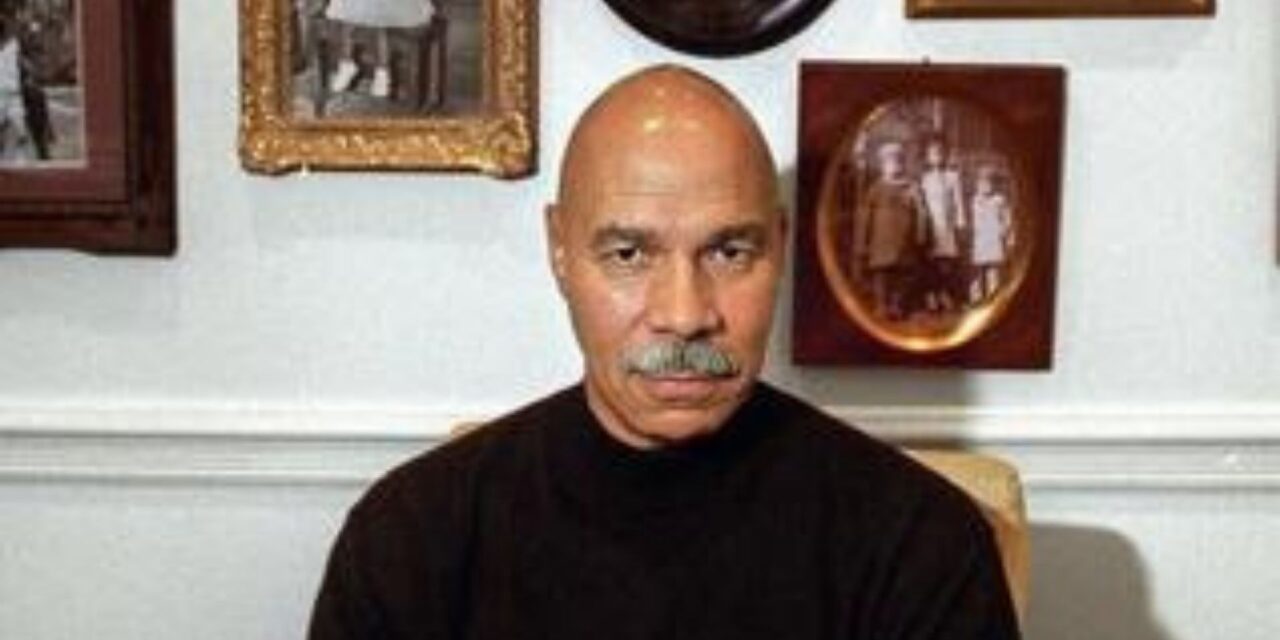
Randall Maurice Robinson, the founding executive director of TransAfrica whose lobbying efforts in the 1980’s heavily influenced America’s foreign policy towards South Africa’s racist apartheid government, died earlier this week on the Caribbean island of St. Kitts.
Robinson, a native of Richmond, Virginia born in 1941, attended Norfolk State University, an HBCU, on a basketball scholarship before graduating from Virginia Union University, also an HBCU, in 1967. He later graduated from Harvard Law School and focused his legal career on social justice issues due to the lingering angst that he felt having grown up in the Jim Crow South.
Robinson, along with his pioneering journalist brother Max Robinson of ABC News, arguably comprised the most influential Black family of the late 1970’s through the 80’s. When Max passed away in 1988 at the age of 49, Randall kept the family legacy alive through his indefatigable efforts against not just apartheid, but in raising greater awareness to the plight of Blacks across an African continent that has been raped and pillaged for centuries due to European colonization.
In addition to being a lawyer and lobbyist, Robinson authored numerous books including his seminal work,”The Debt: What America Owes Blacks,” a tome that quickly rose up the NY Times best seller list when it was published in 2000. One of my favorite quotes from The Debt reads as follows:
“No race, no ethnic or religious group, has suffered so much over so long a span as blacks have, and do still, at the hands of those who benefited, with the connivance of the United States government, from slavery and the century of legalized American racial hostility that followed it. It is a miracle that the victims–weary dark souls long shorn of a venerable and ancient identity–have survived at all, stymied as they are by the blocked roads to economic equality.
Lest we forget that Robinson also conducted a highly publicized 27-day hunger strike in 1994 to protest America’s longstanding policy of detaining and repatriating Haitian refugees seeking political asylum—a policy that was far stricter than the ones in effect for many of their fairer skinned neighbors from Cuba. Due to his efforts, the Clinton administration conceded to allow more access, but still not to the extent that the obvious racial distinctions between Cuban and Haitian immigration were fully ameliorated.
Randall Robinson and his wife, Hazel, left America for St. Kitts due in large measure to his beliefs that racism in the United States had morphed from the overt oppression of the Jim Crow era to a more covert—but still potent —form of oppression in the late 20th and early 21st Centuries.

"Real Politics in Real Time"
Chuck Hobbs is a freelance journalist who won the 2010 Florida Bar Media Award and has been twice nominated for the Pulitzer Prize for Commentary.