
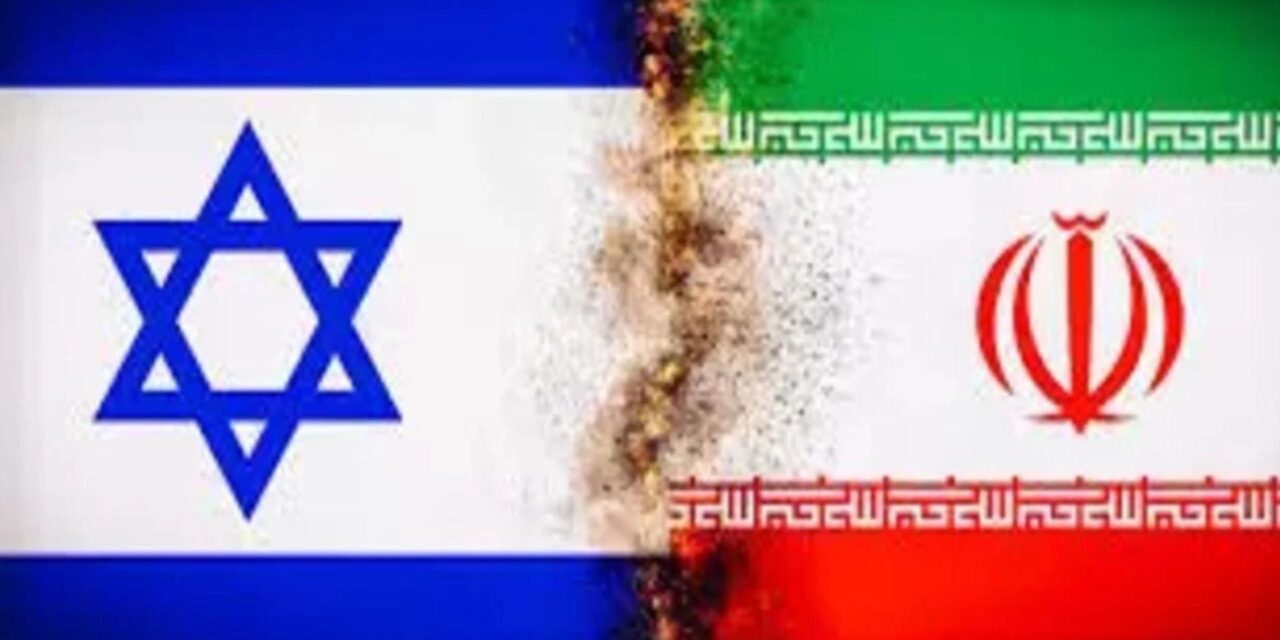
In a world fraught with geopolitical tensions and simmering conflicts, the recent flare-up between Israel and Iran has captured global attention. Amidst the chaos, voices from diverse corners of the world have come together on platforms like Al McFarlane’s KFAI 90.3FM radio show, “The Conversation with Al McFarlane,” to dissect the unfolding events. What emerged was a complex narrative of power struggles, historical grievances, and the shadowy dance of international diplomacy.
Yusef Mgeni, joining from St. Paul, Minnesota, provided a detailed analysis of the situation in the Middle East. He painted a grim picture of the region, stating, “The Israeli attack on the Iranian Embassy in Damascus was far more than saber-rattling. But the sabre-rattling continues in the Mideast between Israel and Iran.” Mgeni highlighted Israel’s relentless pursuit of Hamas leadership, suggesting that Netanyahu’s actions were driven by personal motives: “Netanyahu appears to be a lame duck and a lone duck… He’s using the Trump excuse that you can’t convict a sitting prime minister or president and wants to maintain the conflict.”
Yoji Senna, speaking from Bahia, Brazil, offered a unique perspective on Brazil’s stance towards the conflict. He emphasized the historical and cultural ties in the Middle East, stating, “When I talk to people, there is also in Brazil a large Palestinian population, a large Lebanese… So, for us, it’s clear which side to put ourselves.” Senna delved into the ancient roots of the conflict, highlighting the significance of Persia and its enduring impact on global culture.
Central to the discussion was the role of the United States, with Mgeni and Senna providing insights into American support for Israel and the implications of former US President, Donald Trump’s influence. Mgeni questioned the legality of Americans serving in foreign militaries, contrasting it with cases of prosecution for similar actions by other communities. He remarked, “We have allowed it and we have looked the other way… And I’m unaware of anyone who has been prosecuted similar to the Somali youth for publicly.”
Senna echoed these sentiments, suggesting that Netanyahu’s actions were aimed at securing Trump’s support: “He is buying time betting that Trump will be elected… With conflict.” The discussion illuminated the intricate web of political calculations driving international relations, with Trump’s legacy casting a long shadow over the Biden administration’s foreign policy.
As the conversation on KFAI’s airwaves unfolded, it served as a clarion call for awareness and action. McFarlane issued a call to action, urging listeners to engage with the issues. He directed them to visit the InsightNewsMN page on social media platforms, particularly YouTube, to watch the full conversation video. In doing so, he invited them to participate actively in the ongoing dialogue about peace, justice, and the future of our interconnected world.
In a world where conflicts can seem distant and abstract, “The Conversation with Al McFarlane” brought the human dimension to the forefront. It reminded us that behind the headlines and diplomatic statements are real people, whose lives are irrevocably shaped by the decisions made by leaders continents away. Through nuanced analysis and passionate discourse, the conversation challenged listeners to confront the complexities of international relations and advocate for a more just and peaceful world.