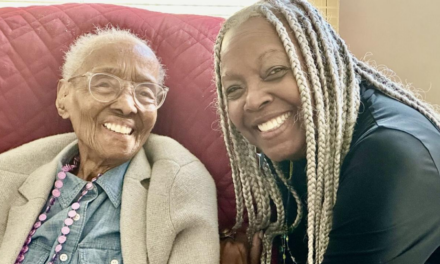
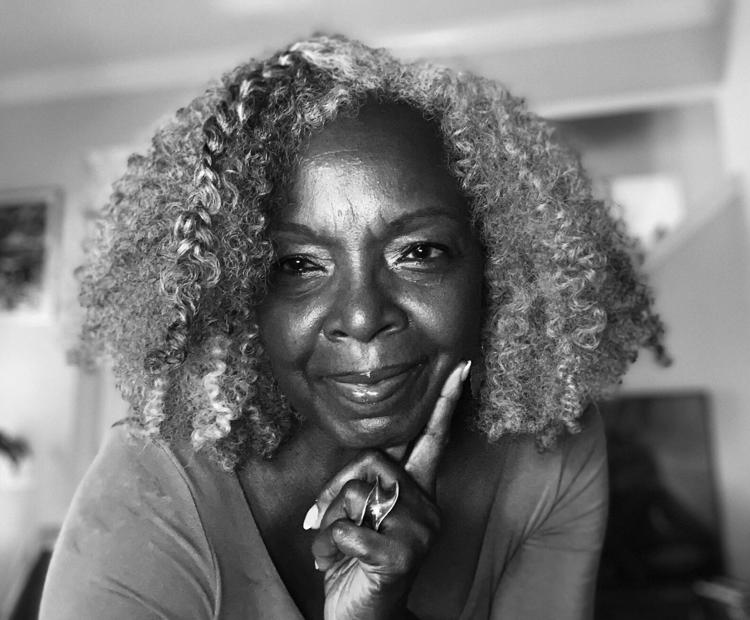
Dr. Irma McClaurin, the culture and education editor for Insight News, unequivocally asserts, “We need Black History Month every damn day of the year.”
This sentiment, echoed through generations, underscores the enduring importance of recognizing and honoring Black history beyond a mere month. McClaurin’s call for perpetual acknowledgment of Black contributions reflects a longstanding debate within academic circles—a debate fueled by the conviction that Black history deserves a central place in our collective consciousness year-round.
The origins of Black History Month trace back to the visionary efforts of Dr. Carter G. Woodson, hailed as the Father of Black History. Initially established as Negro History Week in 1926, it commemorated the birthdays of Abraham Lincoln and Frederick Douglass, symbolic figures in African American history. This week-long celebration served as a catalyst for broader recognition, culminating in the declaration of African or Black History Month in 1976, coinciding with the Bicentennial of the United States.
Yusef Mgeni, in his illuminating discourse alongside Dr. McClaurin, sheds light on the enduring relevance of Black history through poignant quotes from renowned historians. Dr. John Henrik Clarke eloquently articulates the transformative power of history, stating, “History develops a pride and awareness in people so that they can become better instruments for living together with other people.” This assertion resonates deeply, emphasizing the role of Black history in fostering solidarity and understanding among diverse communities.
Saunders Redding further enriches the dialogue with his metaphorical depiction of history as a compass and a clock, guiding individuals through the complexities of human geography. His words underscore the intimate connection between a people and their history—a connection likened to that between a child and its mother. History not only informs us of our past but also serves as a beacon, illuminating the path forward.
Despite the strides made since the inception of Black History Month, contemporary challenges persist, casting a sobering shadow over progress. Instances of police brutality and systemic racism continue to mar the socioeconomic landscape, perpetuating injustices that echo across generations. Movements like Black Lives Matter emerge as powerful catalysts for change, demanding accountability and systemic reform.
As we commemorate the 98th observance of Black History Month in 2024, it is imperative to reflect on the journey thus far and the road ahead. By embracing the timeless wisdom of scholars like Dr. John Henrik Clarke and Saunders Redding, we reaffirm our commitment to truth, justice, and equality for all.
Black history is not a mere footnote in the annals of time but a living testament to resilience, courage, and triumph over adversity. It is a legacy worthy of celebration, contemplation, and perpetual acknowledgment—every damn day of the year.