
The impact of the British decision to leave the European Union (EU) was felt globally and almost immediately, with the remaining questions being what prompted the decision and how long before global markets recover.
Markets collectively tumbled more than $3 trillion following the June 23 narrow vote by United Kingdom citizens to leave the EU. While the markets seek stability, most are seeking understanding. And while this issue is filled with complexities, according to those most angered by the decision, the root cause behind the decision is Islamophobia. Now it seems the entire globe must share in the pain caused by British hate.
For the majority outside the United Kingdom – and as it is coming to light, many within the U.K. – knew very little about the issue of Britain parting with the EU. Collectively, the EU is a 28 (soon to be 27) member political and economic union representing more than 508 million people. The union was founded just after World War I but Britain did not enter until 1973. Britain’s vote to defect was a campaign among conservatives to leave citing concerns of immigration – in particular, a desire to restrict Muslim immigrants. The EU operates under an open boarder system. Recently Britain, much like the U.S., received an influx of Syrian refugees that caused a bit of seemingly unfounded terror concerns and panic. It was those fears that fueled Britain’s vote to exit the EU, but ironically, it does not have any effect on the immigrants coming in from non-EU nations such as Syria.
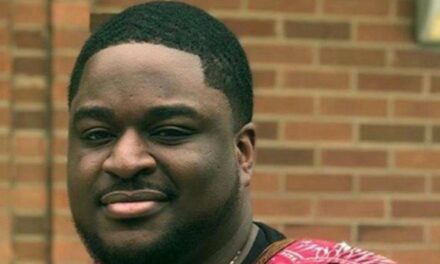
Chinelo Njaka, a sociology researcher and Ph.D. candidate at the University of Manchester now living in London and who is from the Twin Cities said the prevailing mood across the Atlantic is anger.
“A lot of people feel like they are being dragged from the EU,” said Njaka, who has lived in England since 2006. “People are seeing now what they were told were lies and that they were presented with skewed information.”
Njaka said those pushing an exit from the EU have been using what she called “Project Fear” to push their agenda. “So now people who voted to leave are saying they’ve been misled about what it really means to leave the European Union,” said Njaka. She said in addition to fear of Islamic immigration, a bias against those from Poland and Romania – Eastern European countries within the EU – also exists among many in the U.K.
She said with the economic reaction to the vote, a new wave of fear has engulfed the U.K.; this time the fear of another deep recession.
“Britain went from the fifth largest to the sixth largest economy in just one day, so that’s scary to a lot of people,” said Njaka. “There’s a fear the economy will fall back to levels of 2008.”
Since the June 23 vote an overwhelming number of British citizens are calling for a second vote on the matter – something British Prime Minister David Cameron said is out of the question. The civil and economic backlash of last week’s vote led Cameron to announce his resignation.
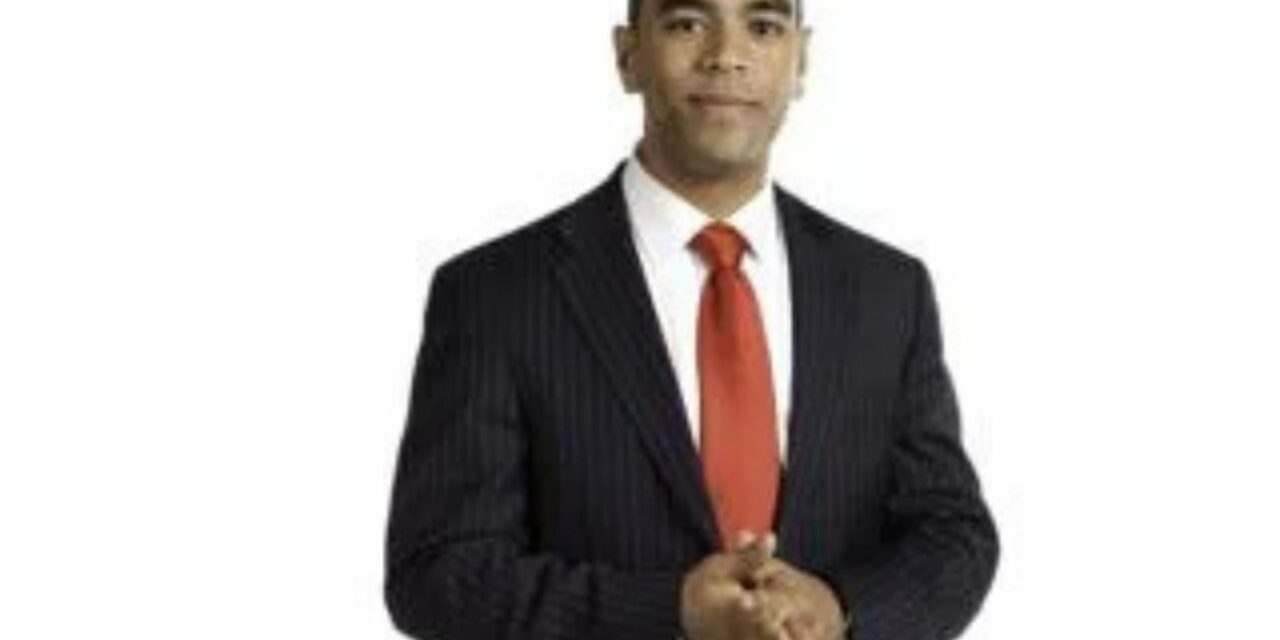
Here in the U.S. markets tumbled on the heels of the U.K. decision, dropping more than 900 points in three days. Some of those losses were regained on Tuesday when the market closed up 269 points and Wednesday, up another 285 points. ¬Isaiah Goodman, a financial representative with Northwestern Mutual, said while the latest round of market volatility was unexpected it is not unprecedented.
“You’ve seen this (market downturns) in 2001, 2008 and we’re seeing it now. It’s just another thing to ride out,” said Goodman.
Goodman said for those with short term needs, now could be a scary time to have money tied to the market, but he said he advises the vast majority of his clients to hold tight and ride out the volatility. “This is just a blip in the spectrum,” said Goodman.
One difference Goodman noted between downturns in 2001 and 2008 is how quickly the markets reacted to the latest global event.
“Today there’s this great availability to information. Even in 2001 with the terrorists attack, it took a while for the market to react. In 2008 it took a little bit, but now with Twitter and Facebook I think people were worried before they even knew what happened,” said Goodman.