

When talking about combatting the issues of students of color woefully underperforming in the Twin Cities, credibility is key.
Optics are important as well. After all, if the issue is an underperformance of students of color, those seeking solutions, affecting policy and controlling purse strings should be people of color as well. When Generation Next – a nonprofit collective of business, political and educational leaders dedicated to eliminating the area achievement gap in formal education – announced with a splash its formation in 2012, the person tapped to lead was one of color in Michael Goar. While the debate can be had as to Goar’s effectiveness in that and his subsequent post as superintendent of Minneapolis Public Schools, there was no debate that the person at the top was a person of color. With Goar’s departure former Minneapolis mayor R.T. Rybak took the reins of Generation Next. And while few doubted Rybak’s sincerity, some bristled at the notion that a white male was in charge of the organization’s efforts to solve the problem affecting children and families of color. The optics were off.
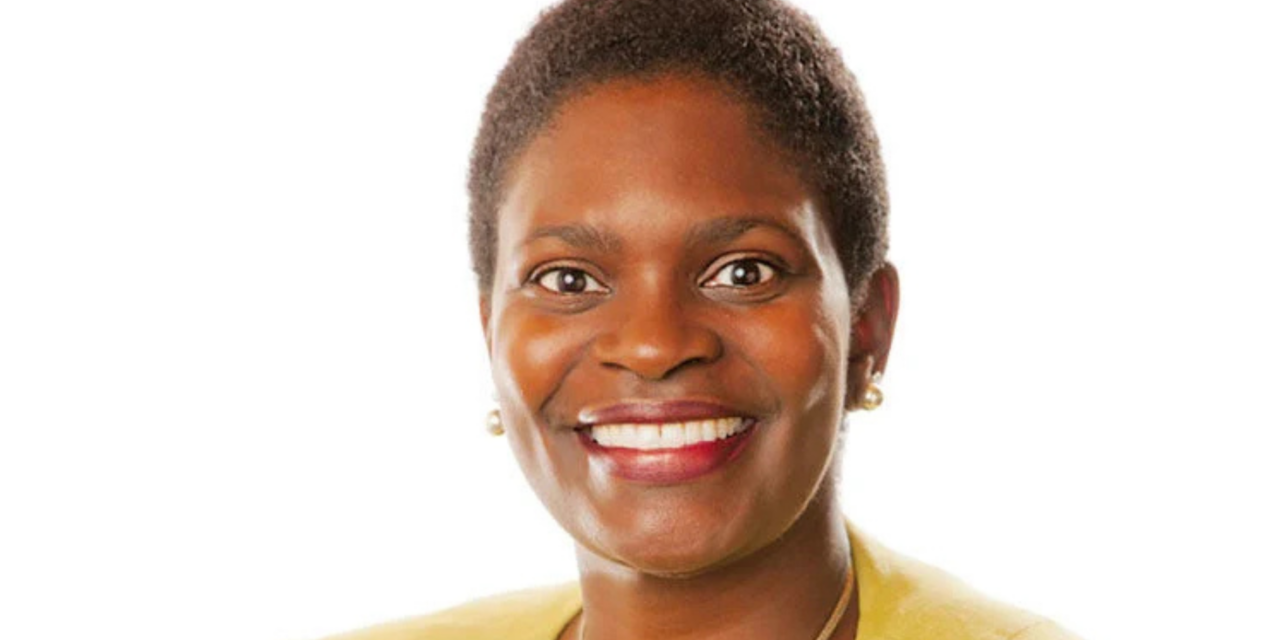
With the recent announcement that Michelle Walker will take over as the new executive director of Generation Next there is no longer the dual question of credibility and optics.
Walker takes over at Generation Next Oct. 18. She comes with the credibility of being the CEO of St. Paul Public Schools for the past nine years and the familiarity of having been a part of the leadership council for Generation Next for the past three years. Being African-American, Walker said the community can take solace in knowing the Leadership of Generation Next is reflective of those it seeks to assist.
“It’s important that we have people who are of color at the table having their voices heard and to represent for students of color and indigenous students,” said Walker.
She said she knows the challenges and solutions are coming; and will be borne of a collaborative relationship.
“It’s challenging to know we have the gaps we have but I’m encouraged and excited to know we have the players around the table to crack this nut and help bring about student success,” said Walker. “We’ve got the talent here in the Twin Cities to solve this problem. Generation Next isn’t here to save a school district, but to partner with schools.”
Walker said areas where Generation Next can be most effective are those that are beyond the control of local school districts. One example she gave is from her experience with St. Paul Public Schools.
“Take early childhood screening; some of the heavy cognitive screenings. In St. Paul the bulk of that work is done by the district. We don’t see (the children) until they’re 5-years-old and by that time they’re already behind,” said Walker. “We want an emphasis to get students screened as early as 3-years-old. That’s where Generation Next can have an impact (by providing funding and other resources to conduct screenings).”
The collaborative efforts in addressing the student achievement gap seem to be helping as graduation rates for area students of color, while still unacceptably low, have been steadily improving. As an example, according to the Minnesota Department of Education Minnesota Report Card, in 2015 Patrick Henry High School in North Minneapolis, which has a 92 percent person of color student body, graduated 87 percent of its senior class. Overall in the state, graduation rates for students of color has risen to above 67 percent in 2015 as compared to a frighteningly low number of just above 43 percent in 2003.
“We have an amazing group around the table that is committed to the achievement of our students,” said Walker.