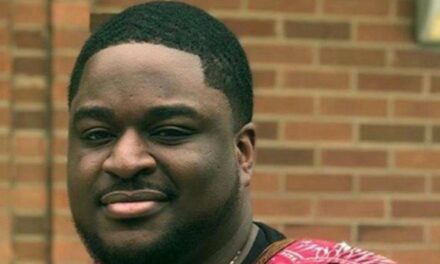
Brett Buckner, founder of OneMN.org and an editor at Black Vote Minnesota 2022 Voter Guide had a long yawn before he began to speak. It had been a long night, one with victories that made our ancestors sing and dance in rejoicing and celebration.
“We’re taking a deep breath and debriefing about all that was accomplished in the Midterm elections. There was no red wave across the nation. What it showed was how critically important it is to really educate voters and make sure they’re aware of what’s at stake and why it should matter,” Buckner said. “But now we’ve got to look at what changes are afoot and what challenges still lie ahead. We are proud of the work our coalition accomplished and we are deeply indebted to “Insight News” and “The Conversation with Al McFarlane” for supporting our efforts. Like so many voters, McFarlane Media showed up.”
The nod to Minnesota’ Black Press came during the post-election edition of “The Conversation with Al McFarlane, which is streamed at 1pm daily across social media platforms. The show featured national analysis from legendary media moguls, Bob Bogle, President and CEO of the Philadelphia Tribune, and Jim Washington, President of the Atlanta World and former publisher of the Dallas Weekly. Wameng Moua, Publisher of Hmong Today, a leader in Minnesota Multicultural Media Consortium, provided commentary on collaboration and competition between African American and Hmong candidates, that together, netted significant gains for increasing the ranks of BIPOC elected at city, county and state legislative levels.
Senator Bobby Joe Champion weighed in on the unprecedented high stakes nature of the Midterm elections as well.
Buckner said the biggest lesson that emerged from the unprecedented election results is that communities of color must shed this firefighter mentality. “We know every two years, there’s going to be an election cycle. We have to be ready.”
Anika Robbins, Founder and Publisher of Black Vote Minnesota, said there is an inherent power in relationships. “We must continue from this day forward building coalitions. No doubt, that the great push from ‘Insight News’ was critical. We were able to reach at least an additional hundred thousand voters that way and reach folks in rural areas and in the suburbs. Volunteers were phone banking, door knocking, and canvassing in important communities. Talking to our young men of color and convincing them that their vote does count is a top priority,” Robbins said.
Minnesota State Senator Bobby Joe Champion reflected on just how vicious yet important this election cycle was. “We’ve done this before,” Champion said. “But this was different. The results were game changers. It was a clear war of Good and Evil, Democrat and Republican, and Black and white. South Carolina’s Mitch McConnell called the results a ‘catastrophic embarrassment’. Oh, the shock of it all!”
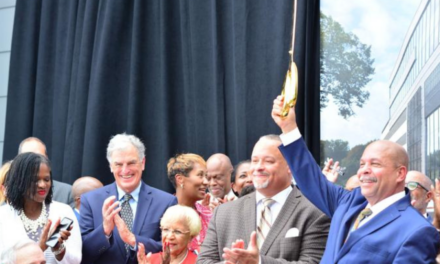
Unopposed in his bid for reelection from Minneapolis Senate District 59, the DFL majority elected Champion to be President of the Senate. His Northeast Minneapolis counterpart, Kari Diedzic, (DFL 60) was elected Senate Majority Leader.
“What the people showed in this election was that we can work together to solve big problems and issues,” Buckner said. “Once we start to see success within ourselves so many positive and beneficial changes to rise. We need to rally around not always studying problems but putting the process in place to solve the problems. And once we solve those problems, there will be others. At the end of the day, we will position our leaders to say, ‘here are our requests. Here are our recommendations. This is the amount of funding required to make these things happen.’ We want to make sure we don’t have to ask if our children are okay. They will be!”
“Too often we have difficulty working together. We undermine each other. That is the problem we must address. If we solve that problem, everything else will fall in place,” said Robert Bogle.
Asked what strategies delivered massive voter engagement and partipation in the Hmong community in Twin Cities, Wameng Mou described formal relationships between Clan elders and leaders that resulted in families being informed, instructed and motivated to vote.
Buckner said, “We cannot understate the power of organizing. And it’s exemplified by the Hmong community. They have now elected nine either senators or representatives. They’re, as they say, punching above their weight class right now because they’re organizing and they’re being very intentional. They run one or two and they get behind their candidates and they move it on from there. They’ve done a magical job and you’re going to see some amazing power.”
James Washington said, “this was the first time I’ve heard the word clan used in a way that had a smile associated with it. Because in our experience with the useof the word Klan, we got a whole different world worldview. Klan was a negative thing. And so it’s interesting to have this kind of conversation and consider this intersectionality between the emerging communities that are not white. Bob Bogle has talked about that. I was on a program with Dr. Benjamin Chavis, CEO of the National Newspaper Publishers’ Association (NNPA)/Black Press USA. And he talked about the same thing… about how we have to create strategic alliances, particularly with Latino/Chicano, Asian and Native American communities. And we’re doing that to some degree here.”
Sub head:
Communication, coordination, and collaboration
Part of the 6-hour live election coverage mounted by powerhouse journalist Roland Martin on his Black Star Network, North Carolina’s Rev. William J. Barber organizer of the ‘Poor People’s Campaign’ said “Democrats must go after the impoverished, the ignored, and the left behind. There are millions eligible to vote that the party doesn’t even think about,” Barber said.
Here in Minnesota, Buckner said, “If we are audacious and remain steadfast to the call for justice and fairness, we can create equity in the state of Minnesota. And now, we have the gavels.”
I do want to give a shout out to Wes Moore Maryland’s Governor-Elect.. They finally got it right up East. A progressive democrat rallied a significant Black base that was able to get Moore across the line to becoming the third U.S. Black elected Governor. That’s a big deal. He’s a young man doing some amazing things,” Buckner said. “Goes to show that when we play the game right, we start to understand what our collective power is all about and we move forward. I think we stumbled into something in this election, and I say, Let’s keep going!”