

By J. Darnell Johnson
“Until the lion tells his side of the story, the tale of the hunt will always glorify the hunter.” (African proverb)
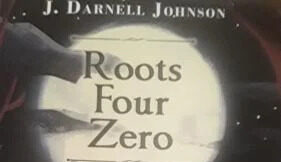
In my previous review of Stephanie Shider’s I Think I Like My Natural Hair, she illustrates the importance and empowerment a strong family narrative has. Knowing who we are and where we come from has always been an integral part of Black History Month. To round out this month’s reviews, I gladly bring to you J. Darnell Johnson’s Roots Four Zero, another stellar example of his skill at combining fiction, fantasy, and reality for children.
Johnson’s central character and protagonist is 14-year-old Zero, separated from her family as an infant and sold to a slave master. Never knowing her true name, she was given the name Zero because the slave master regarded her as a nothing; she had no roots.
The oppression becomes unbearable to the point where she runs away, encountering a magical butterfly-appearing sistah named Queen Azina, from the people of Azziza. Queen Azina recognizes that as a slave, Zero has lost her essence, and instructs Zero to travel to the North via the Underground Railroad and find the town Griot (storyteller), who can restore her essence and her roots.
On her dangerous journey to freedom, she meets a couple—Period (who has no history) and his wife Question (who has no identity). Rounding out their group is a teenage man named Blank (who has no culture). They are guided by Harriet Tubman (aka Moses), the most famous conductor of the Underground Railroad.
Step by step, the group makes their way north, stopping at the Underground Railroad stations hosted by Black and White persons alike, avoiding slave catchers and slave masters with a little help from Queen Azina, until they reach the North to find the town Griot. But the Griot herself doesn’t grant their wishes so easily…
When I read this story, it was easy to compare it to The Wizard of Oz, but only up to a point. The cruel reality of slavery and its attempts to crush the roots, history, culture, and identity of the African people who were brought here involuntarily is sobering. However, the ending of this story is a pleasant and heartwarming surprise.
I appreciate Johnson’s work and the way he teaches as he is telling this story. He does so in the fashion of a modern-day Griot, reminding us that the tradition of people of African descent is an oral tradition. I was certainly rooting for Zero, for her quest for freedom, her courage, and ultimately getting her essence back.
Roots Four Zero is available on Amazon, Barnes and Noble, and his website, jdarnell johnson.com.
Thank you once again, J. Darnell, for your wordsmith and storytelling skills. Our descendants richly benefit from them.

W.D. Foster-Graham
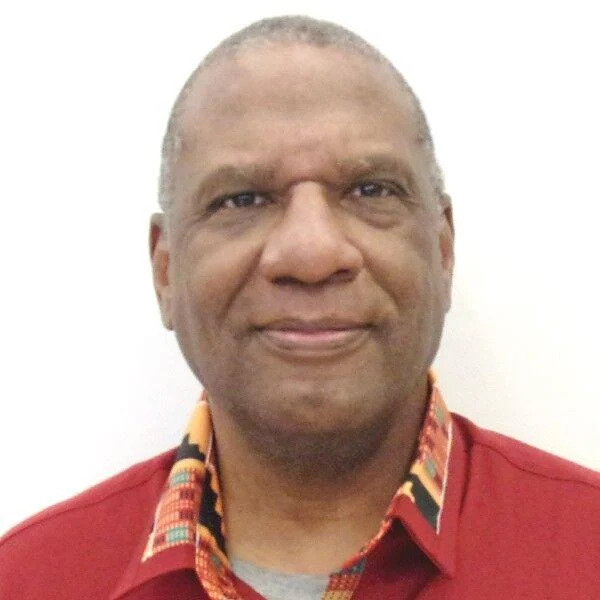
W.D. Foster-Graham is a native son of Minneapolis, Minnesota. He received a B.A. in psychology from Luther College, and he was an original member of the multi-Grammy-Award-winning ensemble, Sounds of Blackness. He has also been recognized by the International Society of Poets as one of its “Best New Poets of 2003,” is a guest writer for journalist/author/entertainer Wyatt O’Brian Evans.