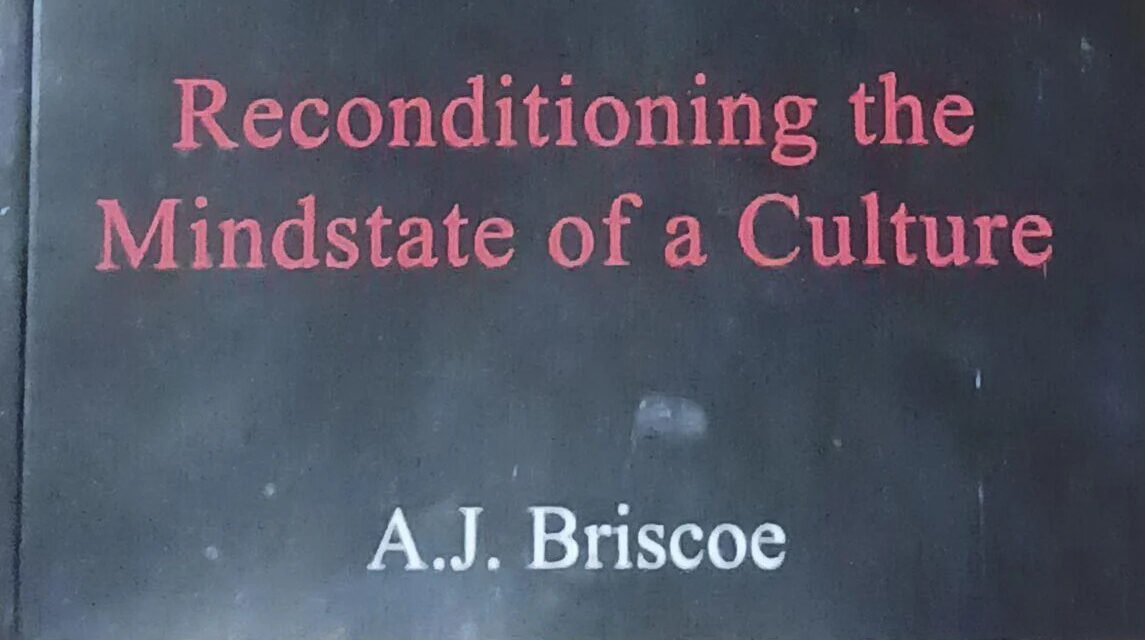
LYNCHING WILLIE
Reconditioning the Mindstate of a Culture
By Albert (A.J. Briscoe)
“Those who don’t remember the past are doomed to repeat it.”
There are so many facets and factors of our history as African Americans that were never taught in school, and in retrospect, that has been by design. A belief system in the form of documents that were set in place long ago has had long-term effects on our community and culture today. However, at the end of the day, knowledge, education, and understanding are the powers that create positive change for the future, as powerfully illustrated in Albert (A.J.) Briscoe’s book Lynching Willie.
In 1712, Willie Lynch drafted a five-page document to the colony of Virginia on how to control and keep slaves, using the tactics of fear, intimidation, ignorance of our history, division, displaced value, inferiority, and self-hate. It is a chilling document. Upon reading it, I saw it as a blueprint for what has manifested over the centuries to the present time in our community.
It is a document that outlines the colonialist mentality of superiority and desire to hold onto power, and once implemented, all they had to do was watch the people they oppressed self-destruct generations later, through drugs, foolish and destructive behavior, consumerism, and the current form of slavery known as the prison system and police brutality. All are intended to keep African Americans off balance, distracted, and under subjugation. To use a common phrase, “Hurt people hurt others.”
Briscoe introduces a portion of Lynch’s document at the beginning of each chapter, along with his personal experiences. He has used this document to inform, to educate, to empower. The tactics in the Lynch document were designed to keep us divided, turning on each other rather than to each other. We, however, can change the narrative and the perception by, as Briscoe states, “lynching Willie,” through taking responsibility for our own behavior, using our intelligence and gifts, educating ourselves, replacing those negative beliefs with constructive ones. It starts with the way we think and our attitude, for what we think about and feel about, we bring about.
I acknowledge Briscoe for not only writing this book, but encouraging each and every one of us to take action on the steps in it to alter the course our culture has been influenced by, and by living his testimony as a role model. He states, “Realizing that we have more similarities than differences is a simplistic first step to reversing the Willie Lynch syndrome. When we understand who needs to be held responsible as a threat to our progression we can focus our agenda in the proper direction, and we will start to gain our proper place in society.”
Lynching Willie is available through Amazon and Briscoe’s website, www.stompentertainment.com.
Thank you, A.J., for your insightful book and the steps toward solutions to a document and a mentality that has impacted our lives for over 300 years. By coming together, setting aside the divisions between us, doing the internal and external work to support, uplift, and empower our community and each other, we will ultimately “lynch Willie.”
“Until the lion tells his side of the story, the tale of the hunt will always glorify the hunter.” (African proverb)
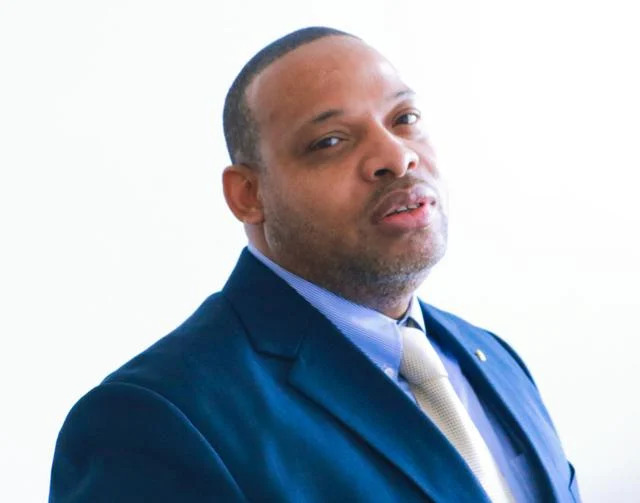

W.D. Foster-Graham
W.D. Foster-Graham is a native son of Minneapolis, Minnesota. He received a B.A. in psychology from Luther College, and he was an original member of the multi-Grammy-Award-winning ensemble, Sounds of Blackness. He has also been recognized by the International Society of Poets as one of its “Best New Poets of 2003,” is a guest writer for journalist/author/entertainer Wyatt O’Brian Evans.