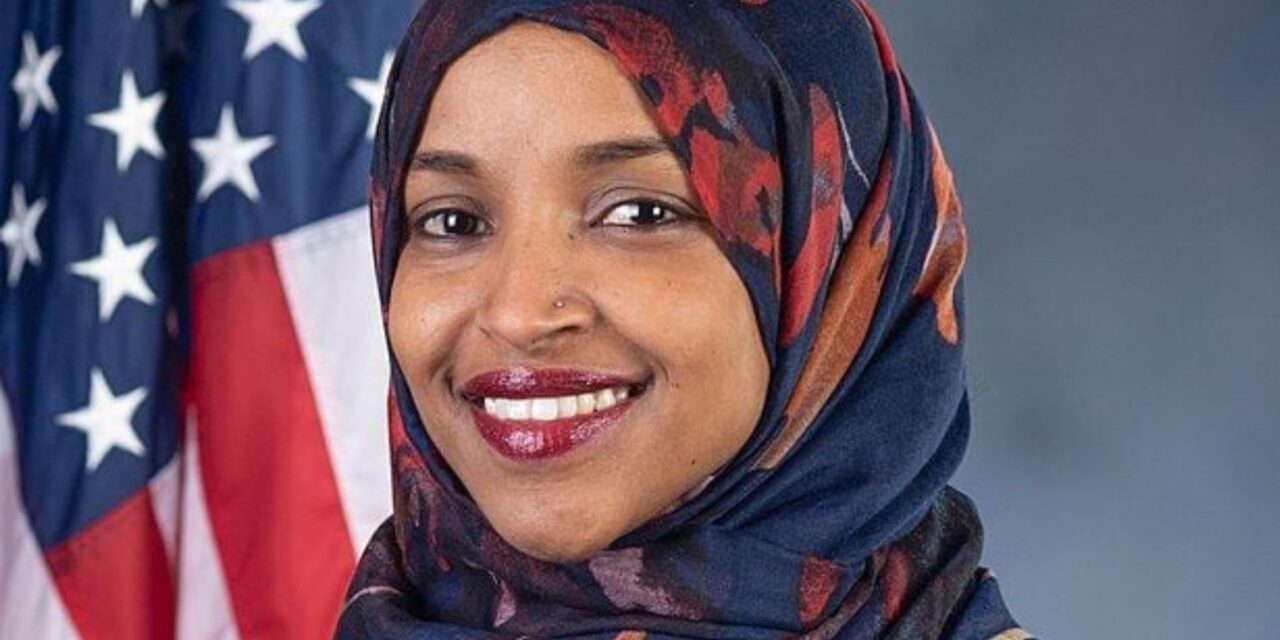
On the popular radio show The Conversation with Al McFarlane, aired on KFAI 90.3FM, U.S. Representative Ilhan Omar joined Al McFarlane, Law School Dean Emeritus Burnele Powell, and civic leader Yusef Mgeni to discuss pressing political issues and the upcoming elections. The conversation provided deep insights into the current political landscape, voter enthusiasm, and Representative Omar’s re-election campaign.
Kicking off the discussion, Al McFarlane highlighted the significance of President Joe Biden’s decision not to seek re-election and instead endorse Vice President Kamala Harris. “We’re interested in hearing Representative Omar’s take on these tumultuous decisions that have unfolded in the past few weeks,” McFarlane said. The conversation quickly turned to the potential vice-presidential picks for Harris, with Omar providing her early assessments.
“I think there are some really good candidates out there,” Omar noted. “A lot of people are talking about Andy Beshear of Kentucky and our own governor, Tim Walz, who has had a great record of accomplishments with a slim majority.” However, she expressed concern about candidates like Mark Kelly and Josh Shapiro, stating, “We might lose crucial Senate seats, which could be detrimental to our efforts.”
The show’s co-hosts then shifted the focus to Omar’s primary campaign and the challenges she faces. Yusef Mgeni inquired about the tone of her campaign and what she anticipates for the general election. Omar responded, “We’re running a joyful campaign as we always do. Our opponent has chosen hateful, sexist rhetoric to campaign against me, which I find unbecoming. But we have a strong base of support, and we are reminding everyone that there is a primary happening on the 13th of August.”
The discussion delved into broader themes, including the Biden administration’s policies on Palestine, which have been a contentious issue among young progressive voters. McFarlane posed a question regarding the Vice President’s stance on Palestine and how she could appeal to both young progressives and traditional supporters of Israel. Omar expressed her hopes for a shift in policy, saying, “My hope is that she distances herself from the current policies. We need to end the impunity that Israel has enjoyed and call for a ceasefire to stop the genocide against the people of Gaza.”
Dean Burnele Powell brought a critical perspective, questioning the use of the term “genocide.” He argued, “I do not believe that any jurisdiction in the world would declare what Israel has done as genocide. We should not take legal terms and use them in popular conversation.” Omar countered, citing historical precedents where genocides were not immediately recognized as such.
As the conversation drew to a close, McFarlane asked Omar about her accomplishments and what she has delivered to her constituents. Omar proudly listed her achievements, “We’ve delivered $54 million in project community funding, passed the Meals Act to feed 33 million children during COVID, and worked on the Inflation Reduction Act, which includes historic climate investments.” She emphasized the ongoing work, including protecting reproductive rights and expanding voting rights, and noted the success of her gun violence bill.
The topic of voter enthusiasm and turnout in Minnesota was also addressed. Omar highlighted the significant increase in engagement, particularly among Black women and other communities of color. “There is a lot of energy and renewed hope. We’ve seen an uptick in people signing up for volunteer shifts and a massive fundraising haul for the DFL. This energy is crucial as we move towards defeating Trump and securing a Democratic victory.”
In a final appeal to voters, Omar reminded listeners of the importance of their participation. “Our vote is our voice. People wouldn’t work so hard to disenfranchise it if it wasn’t powerful. Politics is personal, and in this election, we are fighting against efforts to dismantle many of our rights and civil liberties.”