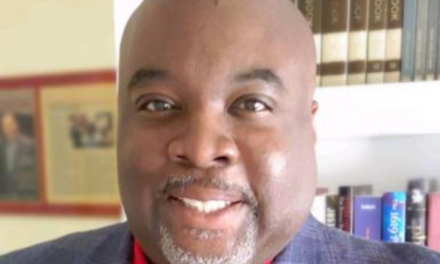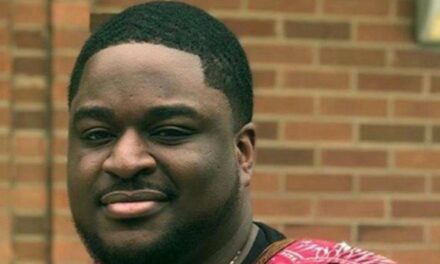
Following a powerful discussion on defending democracy, Minnesota leaders gathered again to explore deeper themes of historical trauma, the power of bearing witness, and the community’s role in reclaiming narratives. The conversation, a continuation of The Conversation with Al McFarlane livestream on YouTube, Facebook and LinkedIn, invited listeners into a “Healing Circle,” where voices from Minnesota’s Black community reflected on resilience in times of political turmoil and what it means to fight for an inclusive future.
Dr. BraVada Garrett-Akinsanya, a psychologist and healer, led the circle with an invocation that honored African traditions. “Our ritual reminds us that everyone in the circle has equal access to power, with no beginning, no end,” she said, grounding the conversation in a sense of shared strength. “In this space, we acknowledge our elders, our ancestors, the shoulders upon which we stand. It is through their strength that we find our own,” she said, asking listeners to inhale peace and exhale fear. For Dr. Garrett-Akinsanya, collective healing is as necessary as resistance, especially in a world grappling with fractured politics and racial trauma.
Al McFarlane, host of the show, steered the conversation toward the concept of “bearing witness”—a theme that panelists explored as both a personal responsibility and a cultural necessity. “Bearing witness is what makes our struggle moral,” Dr. Mahmoud El-Kati reflected. He explained that through music, stories, and daily acts, Black Americans have testified to both injustice and resilience, reminding the world of what is at stake. Dr. Garrett-Akinsanya echoed his sentiment, citing an African proverb: “The axe forgets, but the tree remembers.” For her, this represents a profound truth about trauma: that while systems of oppression may try to erase histories, communities carry these memories forward as testimony and as strength.
The discussion naturally turned toward the power of reclaiming narratives within the Black community. Dr. Oliver Williams reflected on what this reclamation looks like for younger generations, especially those growing up without direct connections to the Civil Rights Movement or the struggle for racial justice. “Our young people have to know that we are not new to this fight,” he said. “The stories we pass down are more than history—they’re survival guides.” He noted that while each generation faces unique challenges, historical understanding provides a crucial foundation, especially in the face of efforts to distort Black identity and history.
This sense of reclaiming narratives was particularly resonant for McFarlane, who reflected on the importance of building platforms where these stories can thrive. “Institutions sustain communities; they give us a way to shape our stories, to direct our narratives instead of having them defined for us,” he said. Panelists agreed that cultural and community institutions—whether large or small—anchor collective identity and provide resources to combat trauma, inspire action, and create spaces for healing.
As the conversation came to a close, Garrett-Akinsanya reflected on a painful reality many Black Americans face: the internalized belief that they must justify their existence. “Part of our healing,” she explained, “is realizing we don’t need to cling to what others say about us. We don’t need to clench our fists to be powerful; our openness is our strength.” She noted that this openness also challenges those who fear being “erased” by a world becoming more diverse, a point the panel saw as central to dismantling White supremacy.
El-Kati ended with a note of optimism, calling on the community to expand on its institutions. “This is how we win,” he said, “by claiming spaces where we control the story, where we turn our history into our victory.” McFarlane closed by encouraging listeners to carry these reflections forward, to “speak up, build up, and never give up,” ensuring that future generations inherit a strong foundation from which to advocate for justice.
Together, the two discussions on The Conversation with Al McFarlane brought an urgent call to Minnesota’s communities: to safeguard democracy, bear witness, and build narratives that empower future generations.