When we think of legacy, it’s easy to default to houses or bank accounts. But deeper than dollars, legacy is the stories we pass on, the values we hold, and the tangible roots we grow for future generations. In a community conversation grounded in Minnesota realities, attorney Ivory Umanah and Greater Twin Cities United Way leader Shannon Smith Jones delivered a sobering message: for Black families especially, avoiding conversations about wealth, death, and planning has a generational cost.
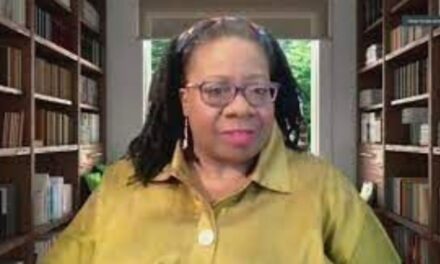
“Legacy is a lot,” said Smith Jones, Senior Vice President of Community Impact at United Way. “We’re talking about money, but we’re also talking about what we left behind for our community to build upon… It is cultural practices, ritual.” For her, legacy isn’t theoretical. It’s lived. Her uncle Dr. Richard Green, was the first Black superintendent of Minneapolis Public Schools, and later, superintendent of New York City Public Schools. Her mother, Terryann Pettiford Hunter, was a churchwoman. Her aunt, Gladys Randle,worked at Phyllis Wheatley Community Center.. “There is a way of giving into community… that’s what I grew up with.”
But what happens when no one plans?
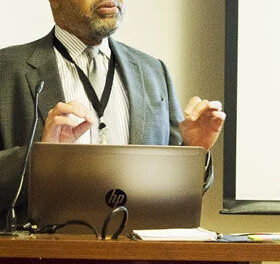
Ivory Umanah has seen it firsthand as an estate attorney. “If you don’t know, you don’t know,” he said. “You assume that if you die, your spouse just gets everything. But legally, it doesn’t work that way.” Without a will or legal plan, assets, like a house, don’t automatically go to family. Instead, they go into probate, a lengthy, expensive court process that can drain thousands from estates,” Umanah said.
In Minnesota, probate court fees can range from $350 to $400 just to start. “You pay attorneys, filing fees, appraisers… and by the end, your kids are selling the home just to pay the court,” said. “This isn’t just about inconvenience; it’s about loss. Financial, emotional, and sometimes cultural.”
Jones sees it too often. “There’s usually somebody that’s pulling from their own wealth to give grandma that service… because there wasn’t insurance, or because we weren’t prepared.” Even when the family believes they own a home, titles might not be transferred. In some cases, she added, “grandma didn’t own the house, and we thought she did.”
But the most painful consequence, they said, is silence. “Silence always keeps us sick,” Smith Jones explained. “That silencing or that muting of our story also feels like a tool that has been used against us. When families don’t talk about money, death, or plans, they pass down chaos, not wealth. ”
Umanah urged families to start with the basics: designate beneficiaries, update deeds, consider transfer-on-death designations. Even a basic life insurance policy can change the future for the next generation. “People think insurance is expensive,” he said. “But insuring a child early locks in that premium. And it can build cash value over time.”
Jones shared the story of a church deacon who left his home to his congregation. “The church built a youth center from that,” she said. “That’s helping people do in death what they’ve always done in life.”
It’s not about being wealthy. It’s about being intentional.
“You start the process, and it may seem slow,” Umanah said, “but it’s a process.” He’s seeing a shift: more people now send their children in to meet him. They want to talk. They want to prepare, he said
This shift needs to grow. Smith Jones encouraged churches, families, nonprofits, and schools to normalize these conversations. “We have to demystify the myth,” she said. “Talk about what you want to happen when you’re not here anymore.”
Asked why this conversation is important to GTCUW’s work, Smith jones said, “Greater Twin Cities United Way is committed to building a community where all people thrive – including expanding access to the tools and resources essential for financial stability. This conversation plays a vital role in that mission by building community, fostering the exchange of knowledge, and empowering individuals to build and pass on their legacy.” –
Planning is a form of love. It is an act of protection, of memory, and of liberation. As Jones put it: “Knowledge is power. And we want to help people participate in a way that is beyond just the dollar.”
Watch the full conversation on Insight News’ YouTube channel: https://www.youtube.com/watch?v=9maXsueHdsw