As Minneapolis nears the 2025 municipal election on November 4, the race for Ward 5 City Council has become one of the city’s most closely watched contests; and for good reason.
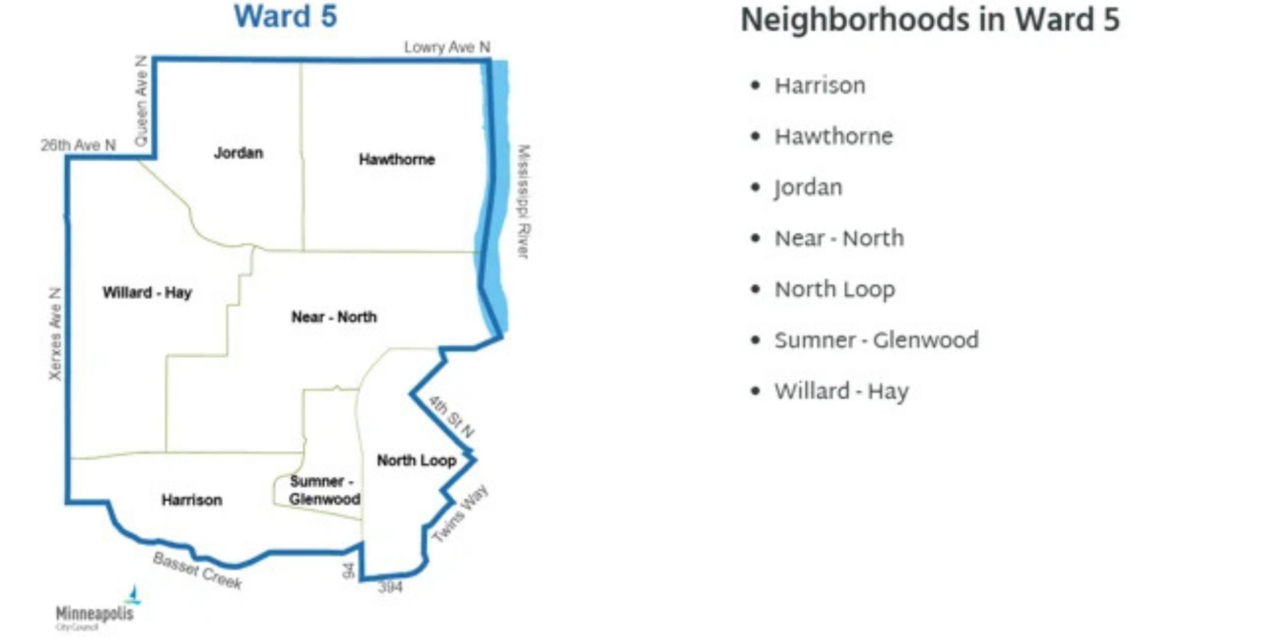
Ward 5, which stretches across much of North Minneapolis, has long been seen as an indicator of the city’s broader political and social shifts. The community, rich with history and resilience, has endured decades of disinvestment, redlining, and inequity. But as election season intensifies, the conversation is no longer just about what was lost but rather, it’s about what can be rebuilt.
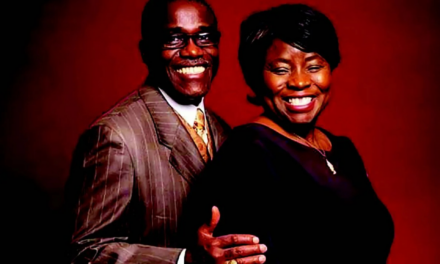
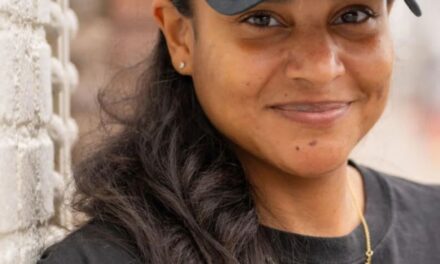
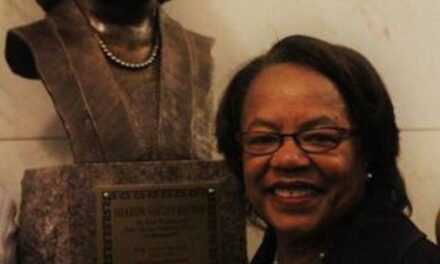
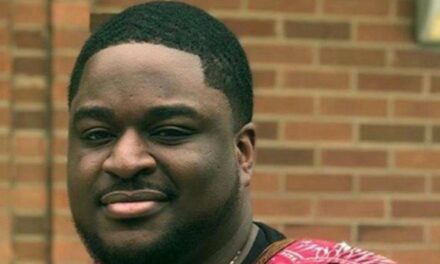
That theme came alive during a recent broadcast of Radio KFAI 90.3 FM’s popular program, The Conversation With Al McFarlane, where McFarlane hosted an in-depth discussion with three of the ward’s City Council candidates: Ethrophic Burnett, Miles Wilson, and Andrea Young.
Together, they spoke candidly about the future of the North Side, touching on public safety, affordable housing, economic revitalization, and the upcoming Blue Line light-rail extension, all while grounding their visions in lived experience.
Ethrophic Burnett: From City Hall to the streets
For Ethrophic Burnett, the campaign is about connecting City Hall to the realities on the ground. A longtime Minneapolis city employee and former council aide, Burnett said she’s seen both the bureaucracy and the struggle, and she wants to close that gap.
“I bring to this office an understanding of what it means to be a community member and a bridge to resources,” she told McFarlane. “My job is to make sure residents are engaged before and after the mayor’s budget comes out so I can advocate for what they’ve been asking for all year.”
Burnett’s view of leadership is rooted in direct service. When McFarlane mentioned a growing homeless encampment near his own newsroom Burnett recalled how she’d recently done a ride-along with police officers to see the problem firsthand.
“You can’t fix what you don’t face,” she said. “We’re dealing with addiction, homelessness, mental health, and yes, a fentanyl crisis. Some folks don’t want help, some do. But we don’t stop showing up. We keep offering services, because that’s how you build trust and community safety.”
Burnett described her candidacy as a bridge between community empathy and municipal action. “It’s about bringing those conversations: from the neighborhoods to the council floor and making sure they translate into resources that actually meet people’s needs.”
Miles Wilson: Safety as the foundation of growth
Miles Wilson, a third-generation Northsider and policy analyst, grew up playing basketball and volunteering at local parks, and he’s watched too many of them deteriorate. For him, rebuilding Ward 5 starts with public safety.
“When there’s no safety, you don’t see investment,” Wilson said plainly. “We need honesty, transparency, and accountability across every level, from residents to the police to our community response teams. If we can restore safety, economic growth will follow.”
Wilson’s campaign centers on relationships, with small businesses, local government, and residents. “We can’t rebuild without talking to each other,” he said. “That means everyone – from the county to the school board to the mayor, working together to get things done.”
He described seeing the challenges firsthand: unhoused residents setting up near business corridors, families feeling unsafe, and small businesses struggling to stay afloat. “When I see that, I don’t walk away,” Wilson said. “I connect them to resources like Turning Point, I clean the area, I call 311. We can support our businesses and care for our people at the same time.
Anndrea Young: Investing without displacing:
For Anndrea Young, community investment must come with protection, especially for those who have stayed in North Minneapolis through decades of upheaval.
Young, who serves as the executive director of the Heritage Park Neighborhood Association, has been on the frontlines of organizing around housing and environmental justice. She’s worked with the Zero Burn Coalition and the Blue Line Coalition, helping secure $10 million in anti-displacement funding for residents living along the proposed light-rail route.
“I want to see North Minneapolis invested in,” she told McFarlane. “But we also have to make sure that the people who’ve lived here for generations can stay. Too many have already been priced out or pushed out.”
Young’s advocacy also challenges how the city sees the North Side. “This area was redlined,” she said. “We were put here and then called the problem. Even the highway that cut through our community was justified as ‘cleaning up’ the neighborhood. We’re still living with that legacy. But it’s time to write a new one.”
Pearll Warren’s vision for Ward 5
For longtime Northsider Pearll Warren, this race is personal.
“I’ve watched my city change in its entirety,” she told Al McFarlane on The Conversation With Al McFarlane on Radio KFAI 90.3 FM. “Beyond the pandemic and the civil uprising, so much has shifted. I had to ask myself, what can I do to help build something sustainable for our city?”
Warren, who’s running for Minneapolis City Council Ward 5, manages financial coaching at Twin Cities Habitat for Humanity, where she leads the Advancing Black Homeownership program. Her days are spent helping families prepare for home ownership, strengthen their credit, and stay in their homes. She said that work, and her decades of lived experience in North Minneapolis, pushed her to run.
“Safe, suitable, and sustainable housing is very important to me,” she said. “I also believe in clear pathways to business ownership and business development so we can recycle our dollars throughout the community and balance out our tax burdens in Ward 5.”
Warren came to Minneapolis in 1980 with her family and has lived most of her life on the Northside. “I bring a lot of lived experience to the table,” she said. “I’ve seen thriving businesses and strong neighborhoods, which are places where people felt safe walking, shopping, working, and raising their kids.”
Recalling her childhood, she also added: “I performed at Family Day on Plymouth Avenue when McDonald’s was right there on the corner. Broadway was full of shops and cafés. We’d stop by the Butter Bakery. You could sit down, talk, eat, and feel connected. Those places were part of who we were.”
Then she paused. “We don’t have those things anymore. We’re at a deficit. We need more amenities that let our seniors age in place, that give young people pride and connection, that make families want to stay.”
For Warren, revitalization isn’t just about buildings or budgets; it’s about belonging. “North Minneapolis is a beautiful place,” she said. “There’s a lot of love and legacy here, and it deserves to be magnified. This is a great mosaic gateway for the city, and it should be treated as such.”
She calls her campaign “legacy work.” It’s how she sees public service: listening, showing up, and helping people feel seen. “Constituent services matter because this job is about servitude,” she said. “It’s about creating authentic relationships and making sure community voices are heard in rooms we don’t often get invited into.”
Her résumé backs that up. She’s taught in Minneapolis Public Schools, held multiple financial licenses, and even worked in youth outreach and foster care. “Every step of my career has been about people,” she said. “I’ve worked with students, families, and businesses. I know how systems work and where they break down.”
If elected, she wants to focus on public safety, small-business support, and youth opportunity. “When people have jobs and feel safe in their neighborhood, everything else follows,” she said. “People should be able to live, work, and play right here, without leaving our community for the basics.”
Before wrapping the interview, McFarlane asked what keeps her hopeful. Warren smiled. “Our spirit,” she said. “This community has heart. We’ve weathered storms, but the people here are strong. North Minneapolis deserves investment, but even more, it deserves belief. We already have what it takes. We just need to build on it.”
The Blue Line and the battle for inclusion
When the conversation turned to the Blue Line light-rail expansion, the candidates shared a cautious optimism. For many residents, the promise of connection, to jobs, schools, and opportunity is tempered by the fear of displacement and rising costs.
Wilson acknowledged both sides. “There’s excitement and fear,” he said. “People remember what happened to Rondo in St. Paul? Whole communities uprooted for a highway. But if we get ahead of it, this can bring jobs and opportunity here instead of taking them away.
Young, who has attended years of planning meetings, said community voices have already shaped the project. “The Met Council is listening,” she said. “We’ll have more than one stop in North Minneapolis, platforms with accessibility features, and even a land bridge to reconnect parts of our neighborhood. These are things residents demanded.”
Burnett agreed but also focused on who gets hired. “We want jobs at every level, from design to construction,” he said. “Our young people should be the ones planning and building the infrastructure they’ll use. That’s how you build ownership.”
A history of neglect, a future of possibility
McFarlane asked the candidates why so many Northsiders still feel forgotten. The answer, they said, lies in the city’s history, and the policies that sidelined Black and working-class neighborhoods.
“There’s no secret about the racial inequities in Minneapolis,” Burnett said. “The disparities we see today didn’t happen by accident; they were designed that way. But we have the power now to rewrite that plan.”
All three candidates agreed that the solution begins with the basics: safe neighborhoods, small business investment, youth opportunity, and stable housing. “We deserve restaurants, coffee shops, pharmacies and all the things that make a community whole,” Bernett said. “These aren’t luxuries. They’re essentials.”
For many Minneapolis residents, this year’s municipal election feels pivotal. Beyond the mayor’s office, City Council seats like Ward 5’s will determine how the city balances safety, equity, and development in the years ahead.
Minneapolis voters will use ranked-choice voting, allowing them to rank up to three candidates in each race. Election Day is Tuesday, November 4, 2025, with early voting still open.
Residents can learn how to register, find their polling places, and understand ranked-choice voting at the City of Minneapolis Elections & Voter Services website: https://vote.minneapolismn.gov/
For statewide resources, visit the Minnesota Secretary of State site at https://sos.mn.gov/elections-voting
For McFarlane, the takeaway from the Ward 5 conversation was simple but urgent: “This is the heart of the city. What happens here reflects what happens to Minneapolis as a whole. The question is: will we show up for it?”
Watch the full Ward 5 conversation on YouTube: