The third conversation at the Black Men’s Legacy Summit opened with a truth so blunt it quieted the room: “We perish because of lack of knowledge.”
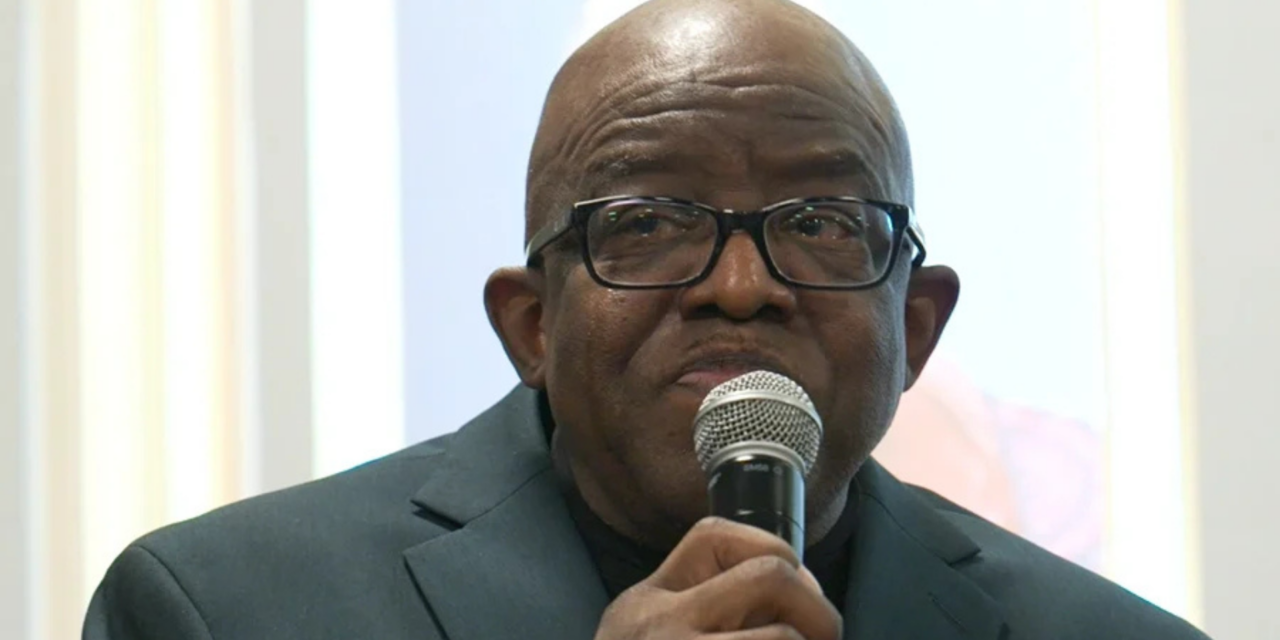
It was David McGee’s diagnosis of why legacy planning stalls among Black men, even when the desire is there and the future feels urgent. If the earlier parts of this series explored why legacy matters and how families begin to build it, this session confronted what happens when legacy is disrupted, delayed, or never taught at all.
“There are people working every day in this country who still don’t know the basics,” McGee continued. “How to use a bank account. How to clean up credit. How to get rid of debt. How credit alone can save you thousands. These are not luxuries. They are the difference between building a future and barely surviving.”
That set the tone for a panel that blended testimony, hard-earned wisdom, and a kind of emotional transparency rarely seen in community forums.
Bishop Larry Cook, a longtime pastor and entrepreneur, offered one of the night’s clearest through-lines: legacy begins with identity. “I made my first hundred thousand at twenty-six. I bought property at twenty-five. But the only reason I was able to do any of that was because I knew who I was spiritually,” he said.
“We can pass down wealth, houses, land, but who are we passing it to if the next generation does not know who they are spiritually, mentally, emotionally. Identity is the foundation.”
His message drew a straight line between economic stability and the deeper grounding that turns financial gains into generational continuity.
James “Brother” Crumble then stepped in with a story that captured both the barriers and the breakthroughs. “I believe legacy planning gets delayed because survival gets prioritized over succession,” he said. “When you face housing discrimination, income inequality, limited access to capital, you are thinking about the bill due next week, not generational wealth.” He pointed to the cultural and emotional distance created when earlier generations lost assets or were denied access to them. But Crumble’s own transformation challenged the idea that interrupted legacy means permanent loss.
“Five years ago, I did not own a single piece of property,” he said. “In six weeks, I will be north of one hundred units. And all of that started because David invited me to one meeting. One meeting gave me the information I needed.”
The room erupted in applause, not only at the scale of his portfolio but at the simplicity of the turning point. One invitation. One conversation. One unlocked room.
That theme carried into the night’s most pressing question: Where are the young men?
Bishop Cook looked around the room and asked, “Where are the men under twenty five? What could a young man do with this information? But they are not here. And if they are not here, how do we pour into them?” He described how his church has intentionally built space for younger Black men to grow without judgment. “Some came in the street. Some came with nothing. Today they are general contractors, homeowners, leaders. That happened because we created a space where they could grow.”
Crumble agreed. “Mentorship bridges the gap between aspiration and execution,” he said. “When you see someone who looks like you managing real estate or running nonprofits, you begin to believe it is possible. One meeting. That is all it takes.”
Then came a pivot that stunned the room into silence, as elder McGee spoke openly about a painful argument with his son, a moment that revealed how emotional absence can fracture legacy as deeply as financial instability. “I was listening, but I was not hearing the pain,” he said, voice breaking. He recounted how his son confronted him about not being present, even though he was home every night. “He said, you should have come and got me. And he was right.” The confession became a lesson. “Find the time and make the time to pour love into the people in your life. Sons, brothers, daughters. Legacy fails without that love.”
By the end, the panel had sketched a fuller vision of legacy than any single program or policy could capture, that is legacy is knowledge. It is identity. It is mentorship. It is listening, apologizing, teaching, repairing. It is elders building men, families building continuity, and communities building rooms where younger generations can enter and rise.
The first two parts of this series showed why legacy matters and how families step onto the path. Part one showed what disruption cost, while part two mapped the practical tools needed to reclaim stability. Finally, this chapter, part 3, explains how families should hold on to that stability for generations. Not property alone. Not income alone. But the everyday work of men choosing to grow, teach, reach back, and stay present.
Legacy, as the panellists have insisted throughout this series, is not rebuilt all at once. It is rebuilt slowly. Intentionally. And as one panellist said, “Always, always, one conversation at a time.”