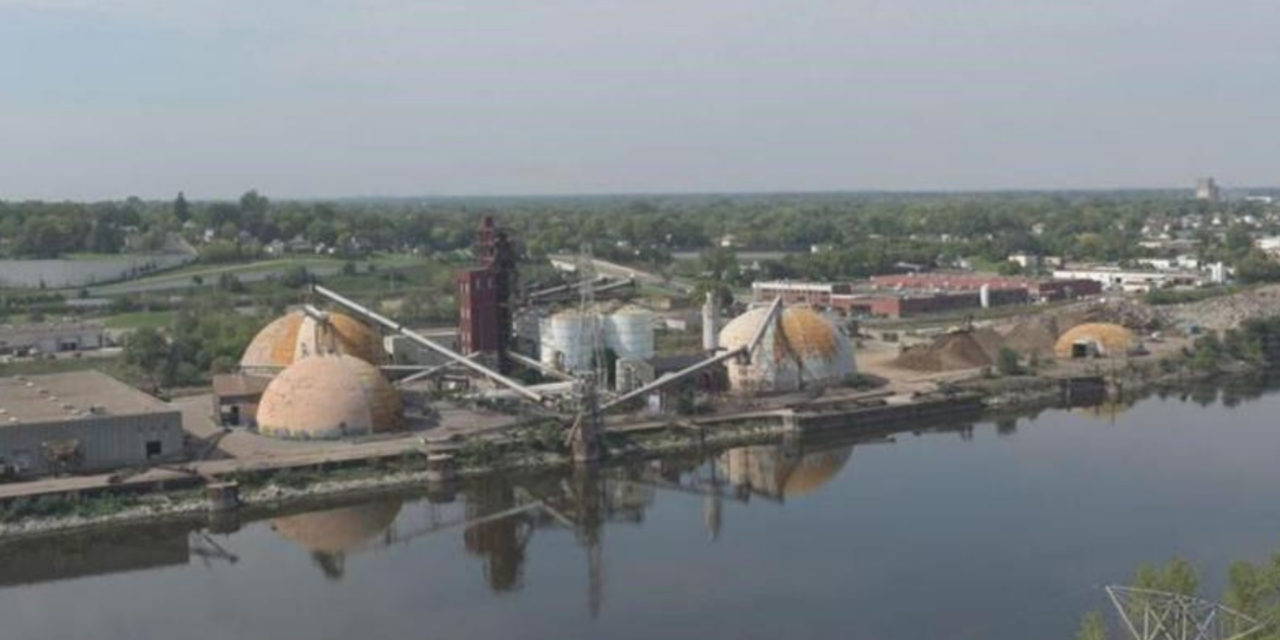
In the dynamic landscape of North Minneapolis, a transformative initiative is underway to reshape the community’s future. This ambitious endeavor, known as the Upper Harbor Terminal Project, has been the subject of intense scrutiny, debate, and anticipation. Recently, on the popular Conversations with Al McFarlane, live-stream and radio show, community leaders and stakeholders convened to discuss the project’s progress, challenges, and implications.
The conversation began with Bill English, a respected community leader, setting the stage by emphasizing the importance of community involvement in shaping the project’s trajectory. English highlighted the commitment of both public and private partners to prioritize the interests of North Minneapolis residents throughout the development process. He underscored the need for ongoing community engagement, stating, “We asked the city not to sell the land to the developer…but to lease it to them so that the community would always have input into what occurred there.”
Brandon Champeau, Senior Vice President at United Properties and lead developer of the project, echoed English’s sentiments, emphasizing the project’s focus on community impact. Champeau acknowledged the project’s dual objectives of economic viability and social responsibility, stating, “We stopped viewing it through the traditional lens…It became much more about community impact.”
However, amidst the optimism surrounding the project, funding challenges have emerged as a significant hurdle. English raised concerns about the Minnesota Housing Finance Agency’s (MHFA) decision not to allocate funding to the project, particularly for affordable housing.
English also expressed frustration with the lack of transparency in resource allocation, calling for greater accountability from decision-makers. English emphasized the need for Commissioner Jennifer Ho to address the community’s concerns directly, stating, “We will be calling on her to come to some of these community meetings…she needs to do some public statements about why the Upper Harbor Terminal does not deserve their support.”
Commissioner Ho’s absence from the conversation raised questions about the level of support and engagement from key stakeholders. While the project has garnered significant interest and investment from various quarters, the absence of crucial funding sources threatens to derail its progress. English’s remarks underscore the importance of transparency and accountability in decision-making processes, particularly concerning public funds earmarked for community development projects.
Looking ahead, community members have an opportunity to voice their opinions and shape the project’s future at an upcoming community meeting.
James Trice, CEO of the Public Policy Project, highlighted the importance of active participation, urging residents to attend the meeting and engage with the developer directly. Trice emphasized the significance of community input in shaping the project’s evolution, stating, “Come ready to hear what the developer has to say and make your comment…ask questions and make suggestions.”
Additionally, English provided insights into the scope of the project, highlighting its significance as the largest redevelopment effort in Minneapolis in years. He outlined key features, including an 8,000-seat amphitheater, 700 units of mixed-use housing, and a sustainable approach to affordability. English emphasized the project’s potential to not only benefit North Minneapolis but also serve as a destination for the broader community.
As for the anticipated completion date, during the conversation, McFarlane asked about the timeline, and Champeau estimated it to be closer to 2030.
In conclusion, the Upper Harbor Terminal Project represents a beacon of hope and opportunity for North Minneapolis. With its potential to catalyze economic growth, foster social cohesion, and enhance the quality of life for residents, the project stands poised to usher in a new era of prosperity and vitality for the region. As the community navigates the challenges ahead, it is poised to emerge stronger, more united, and better equipped to shape its own destiny.
A community meeting scheduled for Tuesday March 26, 5:30 to 7:30 at UROC Urban Research and Engagement Center, 2001 Plymouth Avenue North was cancelled because of the massive snow storm last week. Announcement of the rescheduled date, sometime in late April or early May will be forthcoming, said Trice This is a crucial opportunity to voice opinions, ask questions, and contribute to the future of the Upper Harbor Terminal Project, he said.