On a recent episode of Radio KFAI’s popular program The Conversation with Al McFarlane, the hosts and guests dug deep into the realm of sports, art, and identity as they discussed the unveiling of a statue commemorating NBA star Dwyane Wade. Hosted by Al McFarlane, the show explored how art attempts to capture the essence of a celebrated figure and how public sentiment often diverges from the honoree’s personal perception.
“Your voice matters,” began McFarlane, urging listeners to vote in the upcoming election, framing the conversation as a critical reminder of civic engagement. But the tone soon shifted to the lighter, though equally complex, realm of sports. “Thank God for the relief that professional sports provide,” McFarlane added, emphasizing that sports, too, often mirror our collective spirit and struggles.
Joining McFarlane was CoachLeah, who quickly introduced the controversial statue. “Over the weekend, there was a statue unveiling for Dwayne Wade,” she said. “And there’s been a lot of flak for people thinking the image does not look like Wade at all.” The statue depicts Wade in an iconic, intense moment mid-celebration, mouth open and fists clenched—a scene intended to capture his passion but leaving some viewers cold.
Yusef Mgeni, a guest on the show, was candid in his critique: “It’s almost expressionless. It’s hard to tell whether he’s happy, angry, or excited… It raises more questions than it answers.” Mgeni’s description, likening Wade’s face to “King Kong,” highlighted the statue’s failure to capture the familiar warmth or spirit many associate with Wade.
The debate quickly turned to the artistic challenge of creating a lasting tribute that resonates with both the honoree and the community. Jonathan Palmer, another guest, added, “When I think of statues, maybe I’m just old school, I think of things that are regal, honoring.” Reflecting on monuments like the statue of Dr. Martin Luther King Jr. at Morehouse, he argued that Wade’s statue, caught in a moment of action, lacked the gravitas one might expect.
CoachLeah clarified that the sculptor behind Wade’s statue is the same artist responsible for the iconic Michael Jordan statue in Chicago. Wade himself reportedly “provided the photo, spent hours with the sculptor, and visited Chicago about four times.” In Wade’s own words, the statue was “a beautiful process to be a part of.” Yet, Coach Leah still questioned, “Does it truly represent him, or does it leave more questions unanswered?”
For guest Wameng Moua, the debate felt subjective. He admitted that while Wade’s statue wasn’t perfect, it was “better than the one that Allen Iverson received.” To Moua, such statues are ultimately “more of an artistic thing than a social thing,” suggesting the public might judge too harshly based on their own emotional attachment to the athlete’s image.
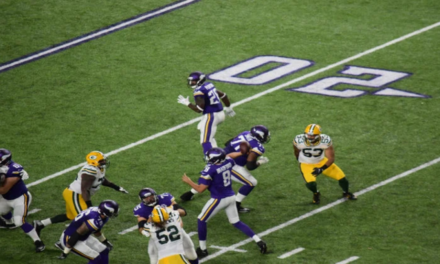
As the conversation wound down, CoachLeah teased listeners with a preview of her upcoming article on the origin of the term “Hail Mary” in sports, tying the day’s discussion back to the intricate relationship between sports and culture. The legendary play, famously coined by quarterback Roger Staubach during a game against the Minnesota Vikings, has since become shorthand for a last-second, high-stakes attempt—echoing the election sentiments McFarlane voiced at the start of the show.
With “The Conversation” transitioning back to election matters, McFarlane concluded, reminding listeners, “We’re on the countdown towards the moment of decision… Make sure your voice is counted.” As the Minnesota community digests both the statue and the broader societal moment, The Conversation offered listeners a platform to examine how icons—whether athletes or elections—shape our perceptions and collective future.