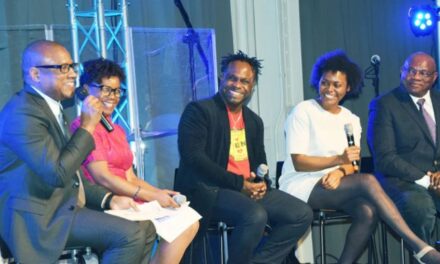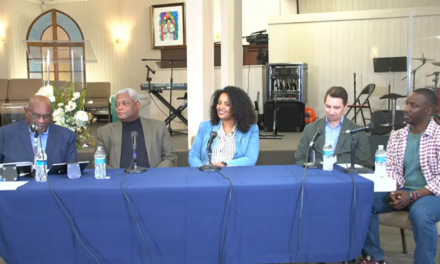
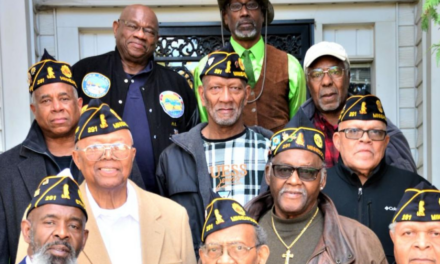
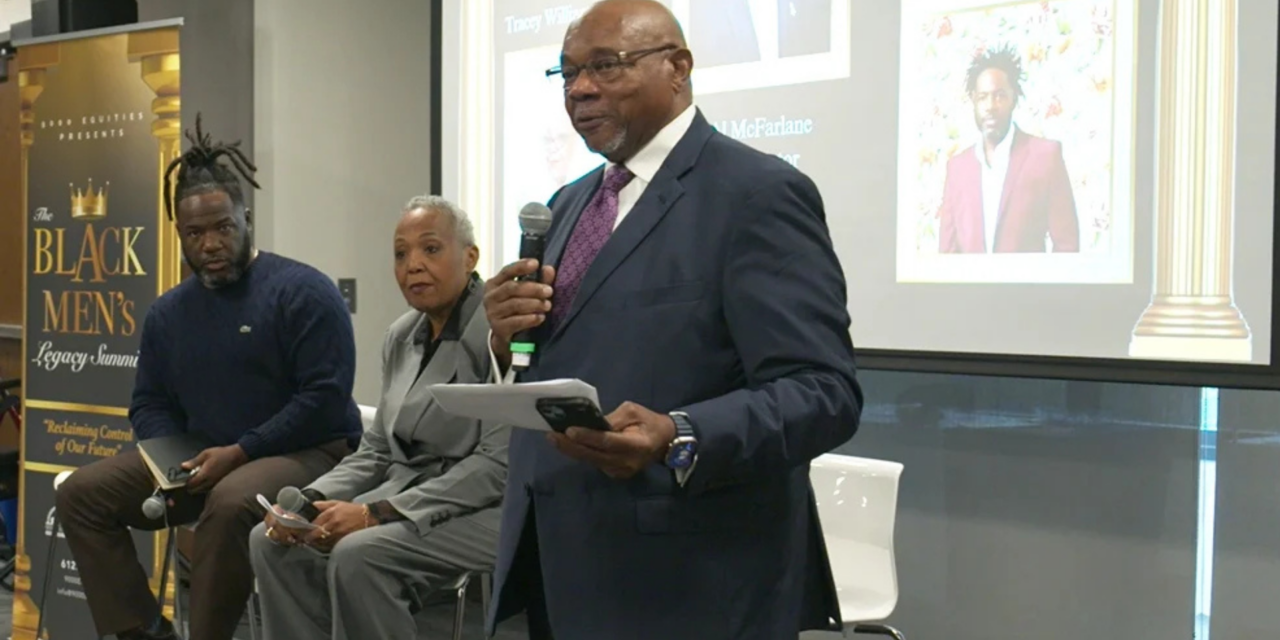
A month has passed since the fourth annual Black Men’s Legacy Summit, which was hosted by Build Wealth MN and 9000 Equities. This year’s edition of the Summit brought community leaders, homeowners, entrepreneurs, and families into one room on Penn Avenue. But the conversations that began on October 25 have not faded. In many ways, the Summit served less as a single event and more as a catalyst, surfacing old questions about wealth, inheritance, memory, and power that Black Minnesotans have wrestled with for generations.
The numbers that framed the day remain as stark now as they were then, as only about 45 percent of Black households in the United States own homes, compared with nearly 75 percent of White households. In a country where home equity accounts for the largest share of intergenerational wealth, this gap is not simply a statistic, but rather it is a map of who gets to anchor themselves, who gets to pass something down, and who is forced to rebuild every generation. That is the backdrop against which this Summit unfolded and why its themes continue to echo weeks later.
What emerged that day was not a list of talking points. It was a collective insistence that legacy must be claimed, shaped, and defended, especially in communities where historical stripping of assets, land, and opportunity have been the norm rather than the exception. Three voices in particular articulated this truth with clarity and urgency, and their words continue to guide the post-Summit conversations happening across North Minneapolis today. The first of these being veteran community journalist and founder of Insight News MN, Al McFarlane, who moderated the day’s most critical discussions. McFarlane offered a view of legacy that stretched beyond current economic cycles as he pointed toward the construction site behind the venue and said, “They are building a pyramid. In North Minneapolis … our pyramid is rising.” It was not rhetoric but rather, in his words, McFarlane was grounding legacy in the concrete reality of millions now moving into community-centered development funds, with down payment assistance designed to pull families into ownership who have historically been pushed out. When he told attendees to imagine legacy for “100, 500, even 1,000 years from now,” he was pushing them to think not only as individuals but as future ancestors. That rising pyramid he called on audiences to envision rests on three sturdy pillars: homeownership, entrepreneurship, and commercial real estate. McFarlane explained that already, $16 million has been deployed into funds to help families buy homes, many with up to $50,000 available for down payment assistance and additional support to lower barriers to entry. For a community historically excluded from pathways to ownership, those aren’t gestures but rather, they are lifelines. His message a month later continues to motivate families beginning the process of exploring homeownership tools and aligning short-term decisions with long-term wealth.
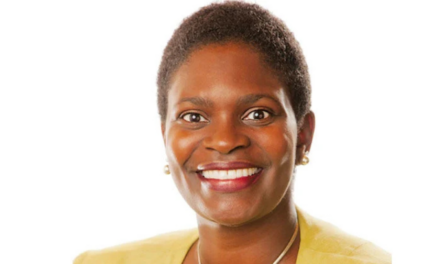
Tracy Williams Dilliard, CEO and publisher of the Minnesota Spokesman-Recorder, with two Juneteenth awards for her contributions to Black media, was also among those standing firmly in legacy. Coming from a lineage of the very founders of Minnesota’s oldest Black-owned newspaper, her voice brought a different dimension as her view of legacy is also preservation. Explaining her view on this, Dilliard, “This work is not about making money. It is a labor of love,” she was reminding the room that some of the most powerful forms of inheritance are not financial but cultural. Her grandfather founded the Spokesman-Recorder at a time when Black voices were not just ignored but actively excluded from the state’s media ecosystem. Through media, she argued, Black people see themselves as they are: whole, dignified, worthy. Her stewardship, and her preparation of her daughter to inherit that stewardship, made visible the kind of continuity that many Black families were denied through decades of displacement, redlining, and asset loss. “Legacy is rich in relationships, culture, and the stories we pass down,” she said. Her words continue to inspire families who are now documenting their own histories or reconnecting with elders whose memories might otherwise be lost.
Then finally, another important voice there was Adair Mosley, CEO of the GroundBreak Coalition, a grassroots organization working to invest in Black-owned businesses and community real estate. Mosley, reframed legacy away from the myth of singular achievement. “Legacy isn’t one achievement. It is the daily work, the small, steady steps that make up our life story.” Mosley also framed narrative control as critical: “For too long, the stories told about Black people have centered on brokenness and deficit,” he said. “We must reclaim our story. Our narrative should reflect resilience, abundance, and a history of rebuilding.” His call to reclaim narrative challenged the deficit-based portrayals that often overshadow the depth, creativity, and resilience of Black communities. In the weeks since, his message has resonated in neighborhood meetings, small business incubators, and family conversations as people rethink how they tell their stories and how they position themselves in the broader economic landscape of the region.
Together, these three leaders articulated a truth that the Summit made impossible to ignore. Legacy is not an abstract concept. It is a living practice. It is economic and cultural. It is memory and planning. It is the quiet work of everyday decision-making and the bold work of entering spaces long closed to Black families. And for many who attended, the Summit was not an ending but the start of a new hope for what could be in the generations to come for thousands of Black Minnesotans.
This article marks the beginning of a series that will examine how the work of legacy building continues to unfold month by month. The next instalments will explore how families are navigating the homeownership pathways introduced at the Summit, how community members are sustaining and reimagining cultural institutions, and how Black Minnesotans are restructuring the narrative frameworks that define them.
The Summit concluded in one afternoon but the work it set in motion is still beginning.