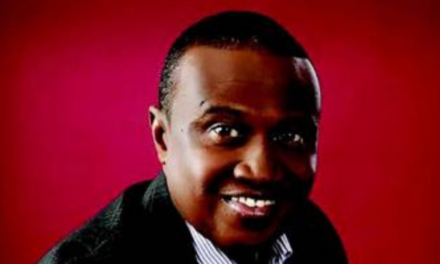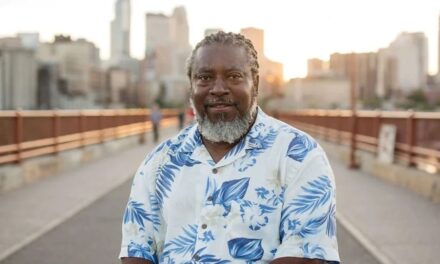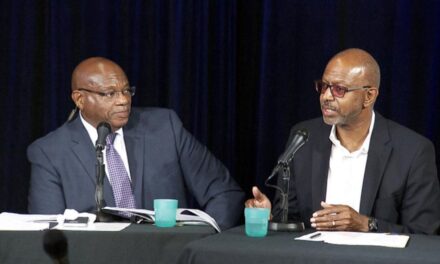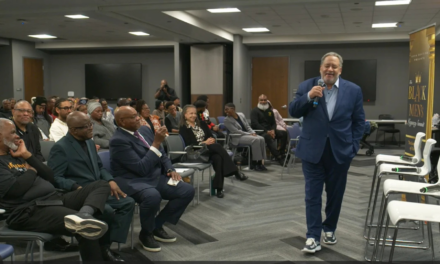
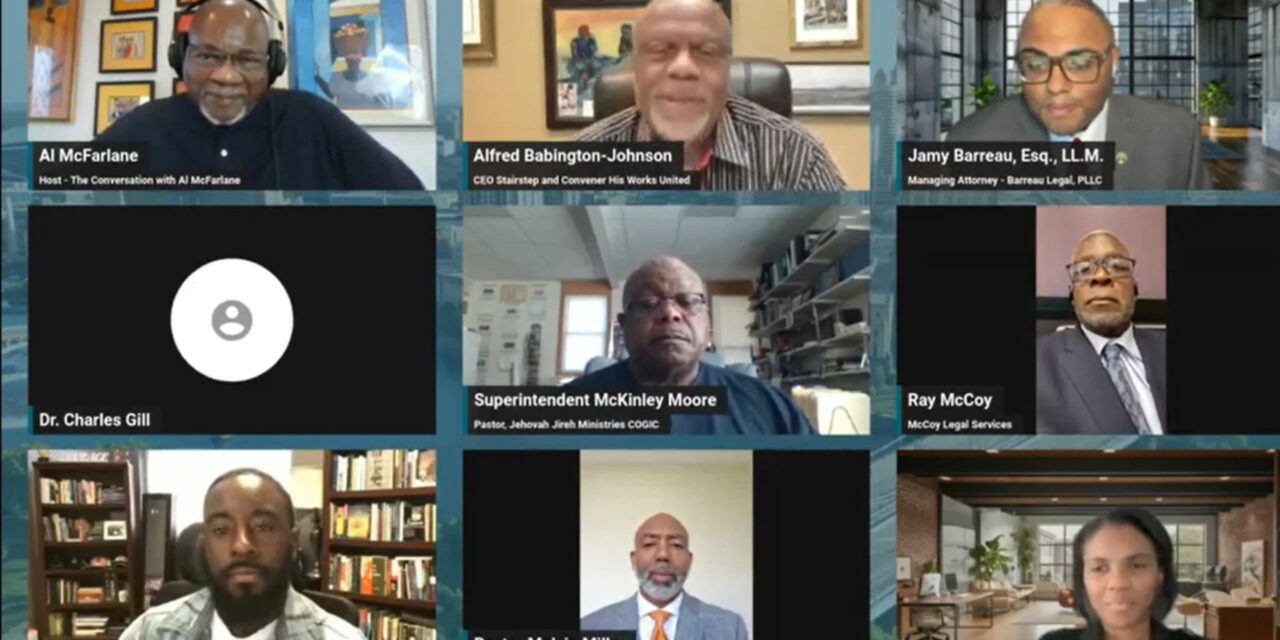
Prominent faith leaders gathered on The Conversation with Al McFarlane livestreamlast week to address the complexities of political engagement, voter mobilization, and the challenge of misinformation ahead of the November 5th election. The discussion, held just days before the Black Men’s Legacy Summit III on October 26, highlighted the essential role of the Black church in Minnesota’s political landscape and the need for sustained civic involvement.
This upcoming election holds significant weight not only for Minnesota but for the nation at large. With key races ranging from local government to national leadership, the stakes are high, particularly for communities of color. Issues such as voter suppression, disinformation, and political apathy are real threats to democratic participation, especially in Black communities that have historically faced barriers to voting. For Minnesota, where political outcomes can often influence broader national trends, this election is pivotal in determining policies on economic equity, criminal justice reform, healthcare, and education—issues disproportionately affecting Black and marginalized communities.
Al McFarlane opened the conversation by emphasizing these stakes. “This election carries the weight of history,” McFarlane remarked, setting the stage for a candid discussion about faith, democracy, and political power. Reverend Alfred Babington Johnson, (Babington) a leading voice in the conversation, underscored the historical struggle for Black voting rights, from being counted as three-fifths of a person to securing the right to vote through the 15th Amendment. “We cannot forget that our right to vote was hard-fought and hard-won,” Babington reminded listeners.
Babington explained that His Works United, a coalition of African American churches, has been working tirelessly to mobilize voters through initiatives such as Souls to the Polls. “We’re not just getting people to vote—we’re engaging them in the process of building their future,” he said, emphasizing that the church continues to play a critical role in shaping political engagement within the community, much like it did during the Civil Rights movement.
However, the conversation quickly turned to the rising influence of Christian nationalism and how faith is being manipulated for political gain. Reverend Melvin Miller raised concerns about the narrative portraying former President Donald Trump as a divinely chosen leader, a theme that has gained traction within some religious circles. “It’s astonishing how these ideas block meaningful discussion,” Miller said. “We can’t talk about real issues like the economy or Kamala Harris’s leadership if people are stuck on the idea that Trump is ‘God’s anointed.’”
Reverend Elijah McDavid explored how white evangelical ideology has increasingly shaped political decisions in Black church spaces. “We’re seeing people base their votes narrowly on issues like abortion or LGBTQ+ rights,” McDavid explained. “But what about biblical values that call us to welcome immigrants, share wealth, or care for the environment?” He stressed the need for broader discussions that reflect the full scope of Christian values, not just those promoted by partisan agendas. The rise of Christian nationalism threatens to narrow the focus of moral and ethical decision-making, a concern that resonated throughout the panel. McDavid also cautioned against dismissing those in the community who feel disillusioned with traditional political parties. “Shaming people won’t help,” he warned. “We need to understand their frustrations and engage with empathy.” This sentiment captured the complex reality facing Black voters, who often feel let down by both major political parties.
The panel agreed that engaging voters goes beyond election cycles. “We can’t wait until the last minute,” emphasized Shemeka Bogan, founder of the Strong Roots Foundation. “Civic engagement has to be a year-round effort.” Bogan explained that initiatives like Souls to the Polls encourage deeper community involvement by combining faith-based efforts with practical support, such as transportation to voting sites.
With early voting Sundays and block parties planned throughout Minneapolis and St. Paul, the effort to energize voters is well underway. “It’s not just about voting,” Bogan added. “It’s about reclaiming our power and ensuring that our communities are represented.”